


Weight loss is in right now. It’s trendy. It’s back.
How I feel about that might not matter much, but growing up in the 90s and seeing women torn apart in tabloids for simply existing in their bodies left a mark. Those images and headlines don’t fade easily.
Now, decades later, we’re in a new era. With the rise of medications like Ozempic and Zepbound, and with absolutely no shame toward anyone using them since they serve complex medical purposes that reach far beyond appearance, the conversation has changed. For many, these medications have offered relief, stability, and a sense of control after years of struggle. In that way, they’ve done something important.
But as always, when something works, the world rushes to replicate it. The wellness industry is quick to follow the trail of success, and before long, the promise of a “natural” alternative starts making the rounds. “Natural Ozempic.” “Plant-based metabolism boosters.” Herbal blends that claim to melt fat and suppress appetite. It’s the same desire, just wrapped in different language.
The plant most often at the center of this trend is berberine, an alkaloid found in herbs like Barberry, Goldenseal, and Oregon Grape. It has been praised online for regulating blood sugar and supporting weight loss, drawing comparisons to pharmaceutical GLP-1 agonists. But beneath the buzzwords lies a much more layered story about metabolism, herbal medicine, and the expectations we place on both.
So, can herbs really support weight loss? What is berberine, and how does it actually work? And maybe the more important question—should herbal medicine be trying to mimic pharmaceuticals for weight loss at all?
This article explores those questions and a few others that feel just as essential: how our culture views the body, what “balance” really means, and why the slow, relational nature of herbalism may be the antidote to the quick-fix mindset that dominates so much of health and wellness today.
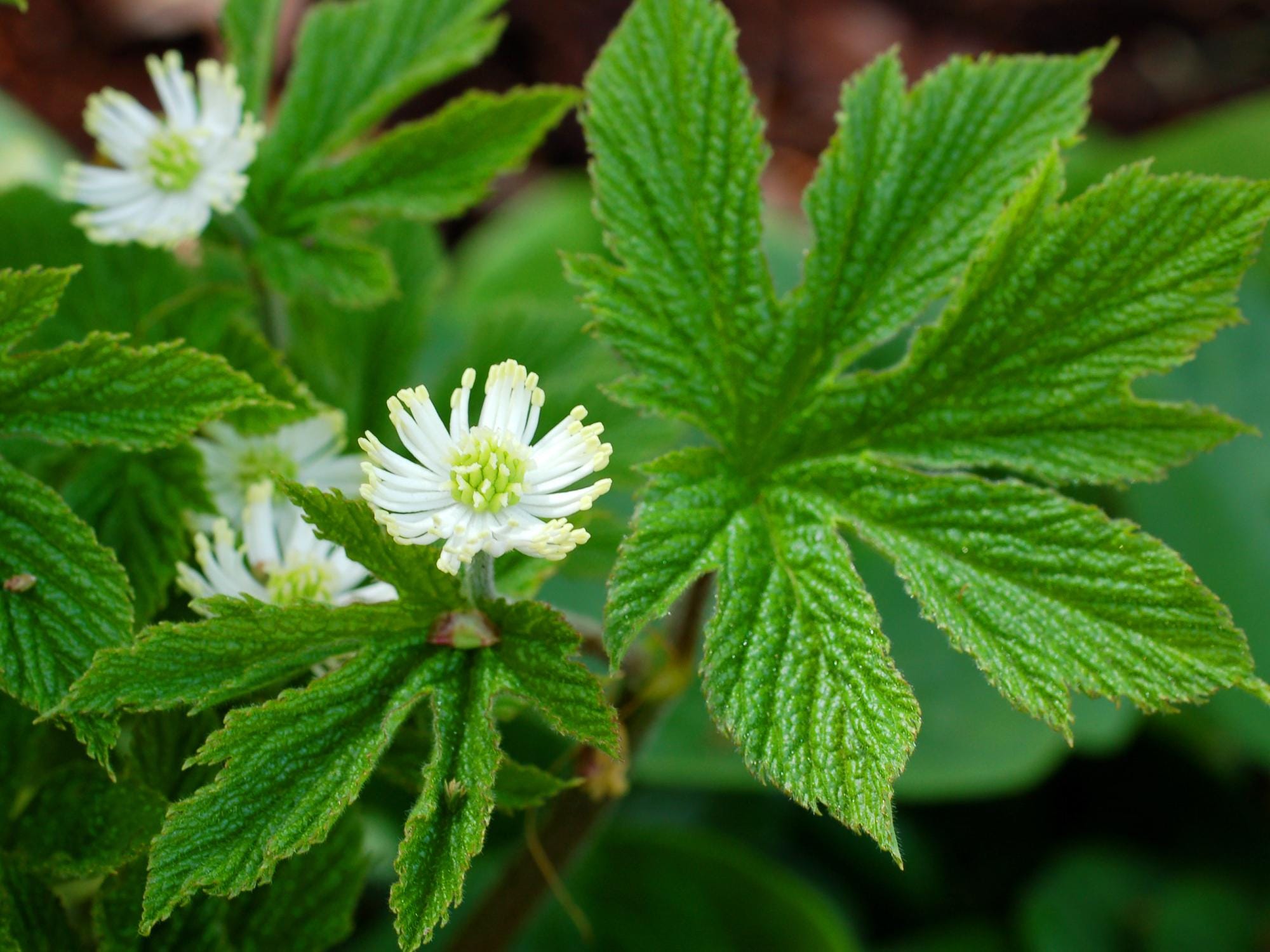
Goldenseal
Setting the Stage: Why We’re Talking About Weight Loss
Before we can talk about herbs, we need to talk about weight.
Not as a moral issue, not as an aesthetic one, but as a complex physiological and cultural reality.
Obesity is often described in clinical terms as the accumulation of excess fat tissue that impairs health. But that definition doesn’t capture the full picture. It doesn’t hold the experiences, the shame, the frustration, or the layers of biology that make the body such a responsive, adaptive system. It also doesn’t explain why so many people can do everything right and still struggle.
At the most basic level, weight change depends on energy balance. If we consistently use more energy than we consume, weight will decrease. That part is true. But the simplicity of that statement hides the complexity underneath it. Calories in and calories out are not fixed, independent numbers.
They are constantly influenced by hormones, metabolism, hunger signals, sleep, stress, and genetics. When we reduce caloric intake, the body often adapts. Metabolism slows slightly, appetite increases, and energy efficiency improves. This is not starvation mode, but a natural response known as adaptive thermogenesis. It is the body adjusting to preserve balance and stability, which can make sustained weight loss challenging.
Research has shown that after dieting, appetite hormones shift in ways that make people hungrier and more efficient at storing energy. The body’s baseline, or set point, fights to return to what it knows. That is why weight loss can feel like pushing against the tide. It is not failure or lack of willpower. It is biology doing its best to maintain equilibrium.

And this is where the conversation becomes both scientific and emotional. For some, medications or surgeries change that dialogue by altering gut hormones, microbial patterns, and nervous system signaling. Those shifts explain why these interventions often work where lifestyle changes alone do not. But even then, it is still the same system trying to find balance, only with new inputs.
So when we talk about herbs in the context of weight loss, we cannot start with the scale. We have to start with why the body holds on.
Obesity and metabolic dysregulation are conditions of communication, between the gut and brain, the immune and endocrine systems, the nervous system, and our lived environment. Herbalism has always been about restoring communication. About helping the body remember how to listen, how to respond, and how to regulate without coercion.
That is why this conversation matters. Because herbs do not burn fat or melt pounds. They participate in the same intricate dialogue that modern science is only beginning to map. And to understand what that means, we first need to look at how metabolism, appetite, and energy balance actually work.
The Physiology of Weight Regulation
Weight is not managed by one organ, one hormone, or one pathway. It is the result of constant communication between the brain, the gut, the endocrine system, fat tissue, and the nervous system. Every signal about hunger, stress, movement, or energy use passes through this network. Together, these systems decide how much energy we take in, how much we store, and how much we burn.
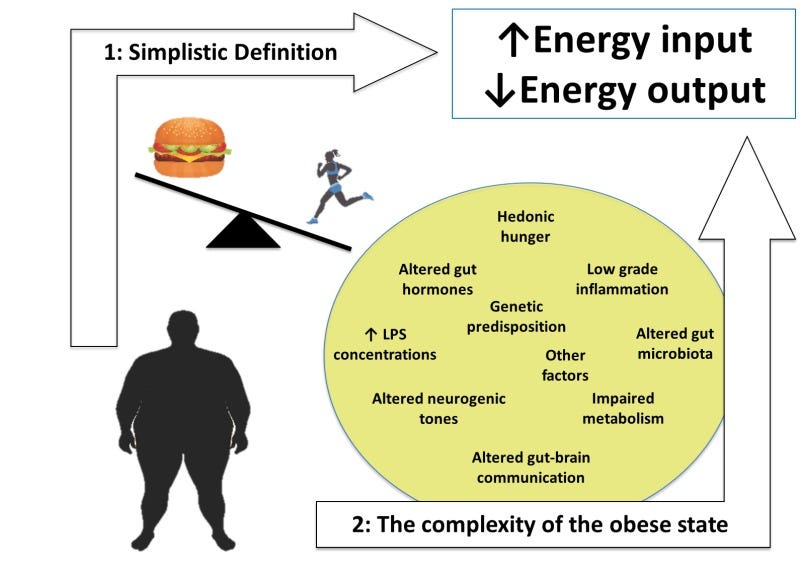
Complexity of the obese state
The Brain and the Body in Conversation
The brain is the main conductor in this orchestra. Inside the hypothalamus, two groups of neurons work together to maintain balance. One group encourages appetite, while the other promotes fullness. After a meal, hormones like insulin, leptin, GLP-1, and peptide YY travel through the bloodstream and tell the brain that nourishment has arrived. When food is scarce or intake is restricted, hunger hormones rise and the body’s drive to eat returns.
The goal of this system is not to make weight loss difficult for the sake of it. It is to protect stability. The brain does not know if a caloric deficit is intentional or a sign of famine. Its job is to keep you alive and well-fed.
Reward, Emotion, and Habit
Appetite is not only biological. It is also emotional. The cortico-limbic system, which handles emotion and reward, helps explain why we crave certain foods when we are stressed, tired, or nostalgic. Eating can stimulate the same reward pathways that respond to pleasure or comfort. Dopamine plays a large role here, reinforcing the desire for foods that feel good, even when we are not physically hungry.
The frontal cortex helps regulate these impulses and is involved in long-term decision-making. When it is overworked or under stress, cortisol levels rise, which can increase appetite and influence where the body stores fat. This connection between stress, emotion, and eating is one reason sustainable weight management depends on more than just diet.
Hormones and Their Messengers
The hormones involved in weight regulation work like a system of checks and balances.
Leptin, produced by fat cells, signals fullness and tells the brain that energy stores are sufficient. In obesity, leptin resistance can develop, meaning the brain no longer “hears” the message to stop eating.
Insulin manages blood sugar and has a mild appetite-suppressing effect, but insulin resistance can weaken this signal.
Ghrelin, made in the stomach, rises before meals and drops afterward. Chronic stress or poor sleep can increase ghrelin, making hunger feel stronger.
GLP-1 and PYY, released from the gut after eating, promote satiety, slow digestion, and help regulate blood sugar. These are the same hormones that modern GLP-1 medications are modeled after.
Together, these hormones keep the brain updated on what is happening in the body. When this communication becomes distorted—through inflammation, chronic stress, disrupted sleep, or certain medications—the brain’s perception of hunger and fullness changes too.
Fat Tissue as an Active Organ
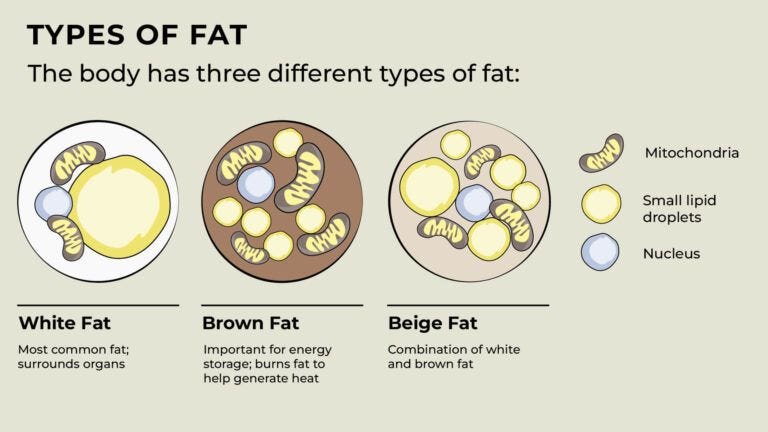
Fat is often viewed as storage, but it is far more than that. Adipose tissue is a living endocrine organ that releases hormones, immune messengers, and energy-regulating compounds.
White fat stores energy as triglycerides.
Brown fat burns energy to create heat in a process called thermogenesis.
Beige fat forms when white fat begins to behave more like brown fat, something that can happen with exercise, cold exposure, or stress adaptation.
Adipose tissue secretes adiponectin, which improves insulin sensitivity, and resistin and inflammatory cytokines, which can promote insulin resistance and inflammation.
When this balance shifts, it affects metabolism throughout the body.
Source Unknown
The Gut, Microbiome, and the Vagus Nerve
The gut is one of the most important messengers in this system. It communicates with the brain through the vagus nerve and through the release of hormones such as GLP-1, PYY, and cholecystokinin, which tell the body to slow eating and digestion.
The microbiome, the vast community of bacteria in the intestines, also plays a key role. These microbes influence how nutrients are absorbed, how inflammation is regulated, and how bile acids and short-chain fatty acids are produced. Research shows that an altered microbiome can change how the body handles calories and may influence both appetite and fat storage.
The Nervous System and Energy Use
The sympathetic nervous system determines how the body uses and conserves energy. It can increase fat breakdown and support thermogenesis when more energy is needed. It also responds to leptin and insulin signals to help maintain energy balance. When this system becomes overstimulated, as it often does in chronic stress or obesity, it can contribute to fatigue, high blood pressure, and metabolic strain.
Bringing It All Together
Weight regulation is not a single process. It is a web of signals, messengers, and feedback loops that respond to everything from nutrition and stress to sleep and environment. When this network is disrupted, the body’s sense of balance shifts, and so does weight.
Herbalists work within these systems rather than trying to override them. Herbs that support digestion, modulate stress, or influence metabolic rhythm are working with the same networks the body already uses to communicate. In that way, herbal medicine supports the body’s intelligence. It encourages cooperation rather than control.
How Ozempic Works: The Science Behind the Hype
Before we can talk about why berberine is being called “nature’s Ozempic,” we need to understand what Ozempic actually does inside the body.
Ozempic is the brand name for semaglutide, a medication that imitates one of the body’s own hormones called GLP-1, or glucagon-like peptide-1. GLP-1 is naturally released after we eat. It tells the body that food has arrived, helps control blood sugar, and communicates with the brain to create a feeling of fullness.
Semaglutide belongs to a class of drugs called GLP-1 receptor agonists. That means it binds to and activates the same receptors that natural GLP-1 would. These receptors are found throughout the gut, pancreas, and brain. Structurally, semaglutide is almost identical to the hormone our bodies already make, sharing about 94 percent similarity. That resemblance is what allows it to function so effectively.
When these receptors are activated, a few key things happen. The pancreas releases more insulin in response to food, which helps regulate blood sugar. The stomach empties more slowly, which prolongs satiety and steadies appetite. Glucagon, a hormone that raises blood sugar, is also reduced. Together, these shifts help stabilize metabolism and make eating patterns feel more balanced.

Semaglutide also works directly in the brain, especially in the hypothalamus, where it influences appetite and cravings. By enhancing fullness signals and quieting hunger cues, it helps many people feel satisfied with less food. For those with diabetes, this means better glycemic control. For others, it can lead to gradual, consistent weight loss.
Unlike the GLP-1 our bodies produce, which is quickly broken down within minutes, semaglutide stays active for days. This longer lifespan comes from two small structural changes. One helps it bind to albumin, a protein in the blood that slows clearance, and the other protects it from being broken down by an enzyme called DPP-4. These adjustments give the medication a much longer half-life, which is why it can be taken once a week instead of several times a day.
In short, semaglutide works by amplifying the body’s own appetite and blood sugar signals in a highly targeted way. It is precise, controlled, and remarkably effective for many people. But it also reminds us of something important: this is a pharmaceutical intervention that deliberately alters specific pathways. Herbs do not work in this way. Their influence is wider, slower, and often more integrative. They support rather than override.
And that is where the comparison between berberine and Ozempic begins to unravel.
The Rest Of This Post Is For Paid Subscribers
We are about to explore how berberine actually works in the body, including its history, mechanisms, effects on metabolism and inflammation, and why calling it “Nature’s Ozempic” misses the point entirely.
If you enjoy my work and want to support thoughtful, research-based writing on herbal medicine, please consider upgrading to a paid subscription. Your support means so much and helps me continue creating deeper, well-sourced pieces for our growing herbal community.
Thank you for being here and for valuing the kind of herbalism that takes its time to understand the whole picture.
