


When we hear the word detox, our minds usually jump straight to the liver and kidneys, and for good reason. These powerhouse organs work around the clock, filtering out toxins, waste, and all the other delightful byproducts of simply existing.
Honestly, don’t you ever feel a little bad for them? Day in, day out, just cleaning up our mess. I know, I know—it’s their job. But still.
Well, there’s another crucial player in the body’s ability to clear out waste, fight infections, and maintain balance: the lymphatic system. This vast network of vessels, nodes, and organs acts as the body’s drainage system, sweeping away toxins, cellular debris, and excess fluid. Yet, unlike the circulatory system, which has the heart to pump blood, the lymphatic system relies on movement, hydration, and specific herbal allies to keep things flowing.
So what happens when the lymphatic system becomes sluggish? You might experience swelling, fatigue, brain fog, skin issues, or increased susceptibility to infections. Fortunately, nature provides an array of herbs that can stimulate lymph flow, reduce congestion, and support immune function.
In this article, we’ll explore:
The essential role of the lymphatic system in detoxification and immunity
Signs your lymphatic system may need support
The best herbs for lymphatic drainage and how to use them
By the end, you'll have a deeper appreciation for this underappreciated system and some practical ways to keep it running smoothly with the help of plant medicine.
Let’s dive in!
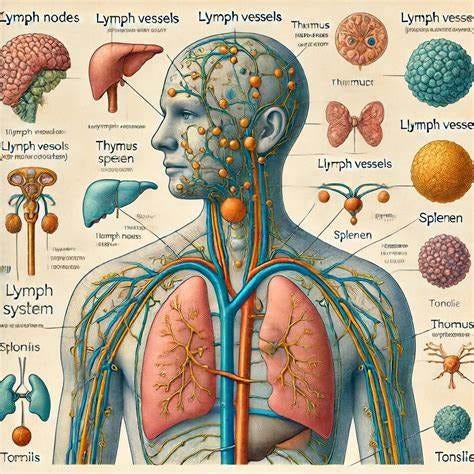
The Lymphatic System: Your Body’s Hidden Detox Network
The lymphatic system is an unsung hero of the circulatory system, quietly working behind the scenes to support immune function and help drain excess extracellular fluid. Think of it as the body's internal cleanup crew, ensuring that waste, toxins, and cellular debris don’t linger where they shouldn’t.
This system includes lymph (the fluid itself), lymphatic vessels, nodes, specialized immune cells, and various lymphoid organs. While its structure is more intricate than the blood vessels we’re familiar with, it generally follows a similar path, running parallel to the peripheral vascular system.
One of its main jobs? Moving lymphatic fluid through an elaborate network of channels, filtering it through lymph nodes (those tiny, bean-shaped checkpoints), and ultimately returning it to the bloodstream for elimination. Nearly every organ and body system has its own set of lymphatic channels designed to collect and remove waste products. Interestingly, about 80% of the body's lymph fluid comes from the liver and intestines, which is a reminder of just how much our gut and detoxification pathways rely on this system. And we’re already pros on liver detox.

But wait. You may be scratching your head asking the screen, "Agy... what is lymph??"
Great question.
Lymph is basically interstitial fluid (the fluid surrounding your cells) that gets swept up into the lymphatic system for processing. But it’s not just plain fluid! It carries lymphocytes (immune cells), bacteria, cellular debris, plasma proteins, and other cellular materials that need to be cleared out.
Now, here’s where it gets even more interesting. In the GI tract, lymph gets a special name: chyle. It has a distinct milky appearance thanks to its high concentration of cholesterol, glycerol, fatty acids, and other fat molecules. The vessels responsible for transporting this fat-rich lymph from the intestines are called lacteals, and they play a crucial role in absorbing and moving dietary fats into circulation.
Who knew?
You can see why this system is so important to grasp and understand as herbalists.
I find that a lot of times, folks are quick to generalize the lymphatic system as just needing “moving” support—picking herbs that are good "lymph movers" and calling it a day. That’s it. No other explanation.
But look how deeply intertwined it is. We're only two seconds into the first quarter, and we’ve already discovered that the lymphatic system has its branches all up in the immune system AND the digestive system: two massive systems that can make or break our health. If we’re supporting lymphatics, we’re not just “moving” things along. We’re influencing immune function, fat metabolism, detoxification, and so much more.
So, before we reach for that classic "lymph-moving" herb, let’s take a step back and really understand what’s happening under the hood.
How the Lymphatic System Works
Alright, we know that the lymphatic system is more than just a drainage network. It’s also a key player in immune function, fluid balance, and even fat absorption. But how does it actually work?
Imagine this: Fluid constantly leaks from blood vessels into the spaces between your cells. This fluid—filled with proteins, immune cells, cellular debris, and sometimes unwanted guests like bacteria—needs a way back into circulation. That’s where the lymphatic system steps in.
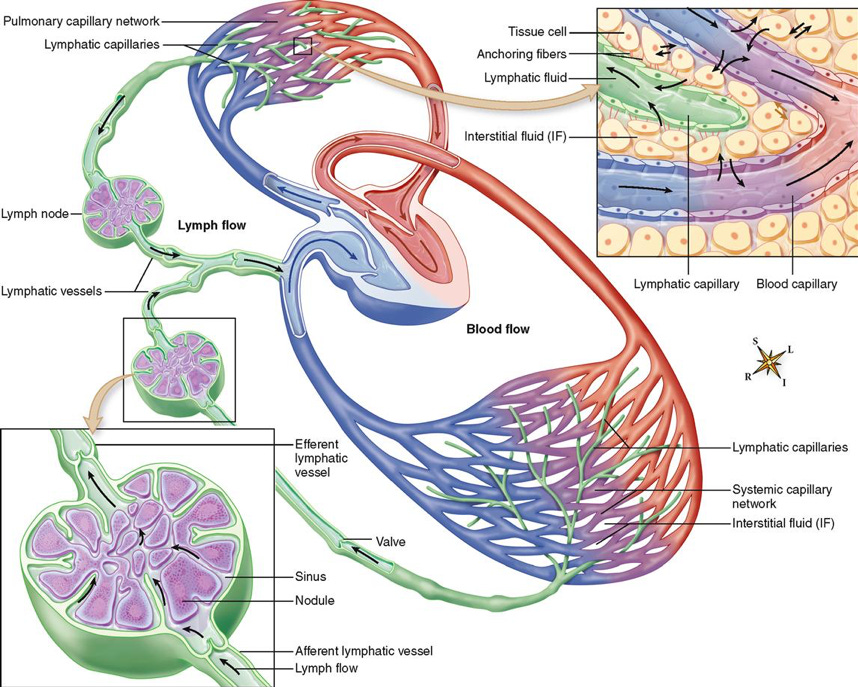
Step 1: Collection & One-Way Entry
Tiny lymphatic capillaries act like a cleanup crew, reabsorbing this fluid from the interstitial space (the area between cells). These capillaries have special “button-like” microvalves, allowing fluid to enter but not escape. Once inside, the fluid is officially called lymph.
But here’s the kicker: there’s no built-in pump like the heart. So how does the lymph move?
Step 2: Movement & Muscle-Powered Flow
Lymph travels through a network of collecting vessels, pushed along by:
Pressure changes from fluid buildup
Skeletal muscle contractions (aka moving your body)
Smooth muscle contractions (think of a gentle peristaltic wave, like your digestive tract).
This unique system is why movement and deep breathing are often recommended for supporting lymphatic flow. The more you move, the more efficient this process becomes.
Step 3: Filtration & Immune Activation
Before re-entering circulation, lymph makes a pit stop in lymph nodes, where the immune system gets to work. Dendritic cells (immune sentinels) bring in any pathogens they’ve encountered, presenting them to T cells inside the node. If something sketchy is detected? Boom! Immune response activated. See ya.
By the time the lymph exits the node, it’s filtered, refined, and packed with immune intelligence.
Step 4: Returning to the Bloodstream
Once the lymph has done its rounds, it exits the lymph nodes and makes its way back into the venous system via the thoracic duct and subclavian vein. At this point, the fluid is no longer lymph, it’s back to being part of your bloodstream.
Edema: When Fluid Gets Stuck
When the lymphatic system isn’t draining properly, fluid starts to accumulate in the tissues, leading to swelling—aka edema. This happens when there’s an imbalance between capillary filtration (fluid leaking out of blood vessels) and lymphatic drainage (fluid being cleared away).
So, what causes this backup? A few key factors:
Increased capillary pressure – Too much fluid being pushed out of blood vessels
Low plasma protein levels – Not enough protein to pull fluid back into circulation
Increased capillary permeability – Blood vessels becoming too "leaky"
Lymphatic obstruction – Blocked or sluggish lymphatic flow
On a more functional level, edema can also stem from weakened lymphatic contractions or valve dysfunction within lymph vessels. If the lymphatics aren't actively pumping, fluid lingers, leading to chronic swelling and congestion.
This is why movement, hydration, and circulatory support are so important for lymphatic health. The system relies on pressure changes, skeletal muscle contractions, and its own built-in peristaltic motion to keep things flowing.
But here’s the bigger picture: edema isn’t just a “stagnation” problem. It’s often a sign of something deeper—inflammation, vascular issues, or immune dysfunction—and understanding why it’s happening is just as important as figuring out how to support it.
The health and integrity of the lymphatic system are at the core of the body's natural detoxification process. This system is constantly working in the background. Clearing waste, supporting immune function, and keeping things moving. So, it’s no surprise that in holistic health, a strong emphasis is placed on supporting the lymphatics for both disease prevention and healing.
If you’re enjoying this post so far, and find yourself learning new things, please consider supporting this publication. To support my work, you can buy me a coffee here! Nothing is expected, and everything is deeply appreciated.
Herbal Allies for a Thriving Lymphatic System
Certain herbal actions are especially key players here:
Antimicrobials & Alteratives – Help maintain a healthy, well-functioning lymphatic system.
Diuretics & Hepatics – Useful when the body needs deeper cleansing, supporting kidney and liver function.
Diaphoretics – Help when infection is actively present, encouraging the body to clear out pathogens.
A few standout lymphatic herbs to keep on your radar:
