


My morning routine isn’t particularly exciting. I’m absolutely not one of those TikTok girlies spending two hours peeling off masks, hair nets, or castor oil packs. Though, to be fair, the castor oil pack does intrigue me, more on that on a later date.
I wake up, shuffle into the living room because lately my joints have been filing formal complaints, sit on the couch, and scroll. I’m just a girl. Nothing glamorous here.
On this particular morning scroll, I came across an herbalism page that Instagram decided I should know about. I wasn’t following them yet, but the post caught my attention immediately. It was celebrating a new study claiming that nettle is “just as effective as birth control in the treatment of PCOS.”
Based on that claim, the creator was offering a discount on their nettle product for anyone ready to try herbal medicine.
I paused. The marketing felt… predatory. You’ll see why in a second.
To their credit, the creator did share the study when people asked for it. I clicked the link, opened the paper, and immediately felt my eyes roll back into my head.
Because the study does not actually say what they think it says.
Here’s the short version of the issues:
The trial reports zero dropouts over three months, which is unusual for a study involving hormonal endpoints and daily interventions.
The nettle preparation is never properly defined. No plant part, no extraction method, no standardization. Without that information, the study cannot be replicated.
The results repeatedly show no statistically significant difference between groups, yet the conclusion claims nettle can be used as effectively as oral contraceptives.
Now here’s where it gets more complicated.
In the comments, the creator clarified that their product uses nettle leaf. That may be true. But the study itself never specifies the plant part used, the extraction process, or the phytochemical profile of the preparation.
That means we cannot connect the study to the product. At all.
That’s where the marketing stops being enthusiasm and starts being irresponsible.
Herbal medicine already has a credibility problem. We make it worse when we stretch weak research into sweeping claims and use it to move product.
So, you might be wondering: Agy, as an herbalist, shouldn’t you be celebrating studies that make plants look good? Why pick apart research that seems to support nettle?
Because herbal medicine deserves better evidence than this.
Access the study here so you can follow along:

What the Study Actually Set Out to Do
The study was published in June 2025 in the Journal of Research Development in Nursing and Midwifery, out of Tabriz University of Medical Sciences in Iran. It’s a triple-blind randomized controlled trial, which on paper sounds impressive. Triple-blind means the participants, the researchers, and the data analysts all supposedly didn’t know who was getting what.
Sixty women between 18 and 45, all diagnosed with PCOS using the Rotterdam criteria, were split into two groups of 30. One group received 500 mg of nettle extract daily for three months. The other received a low-dose combined oral contraceptive (ethinylestradiol and levonorgestrel) for the same duration.
The researchers wanted to compare how the two interventions affected a handful of clinical and lab markers: DHEA-S, total testosterone, FSH, LH, fasting blood glucose, hirsutism scores, and menstrual cycle parameters like interval length, bleeding duration, and bleeding intensity.
That’s the setup. And honestly, the question itself is a good one. Comparing an herbal intervention to a standard pharmaceutical treatment in a controlled trial is exactly the kind of research we need more of in herbal medicine.
But a good question only gets you so far when the execution falls apart.
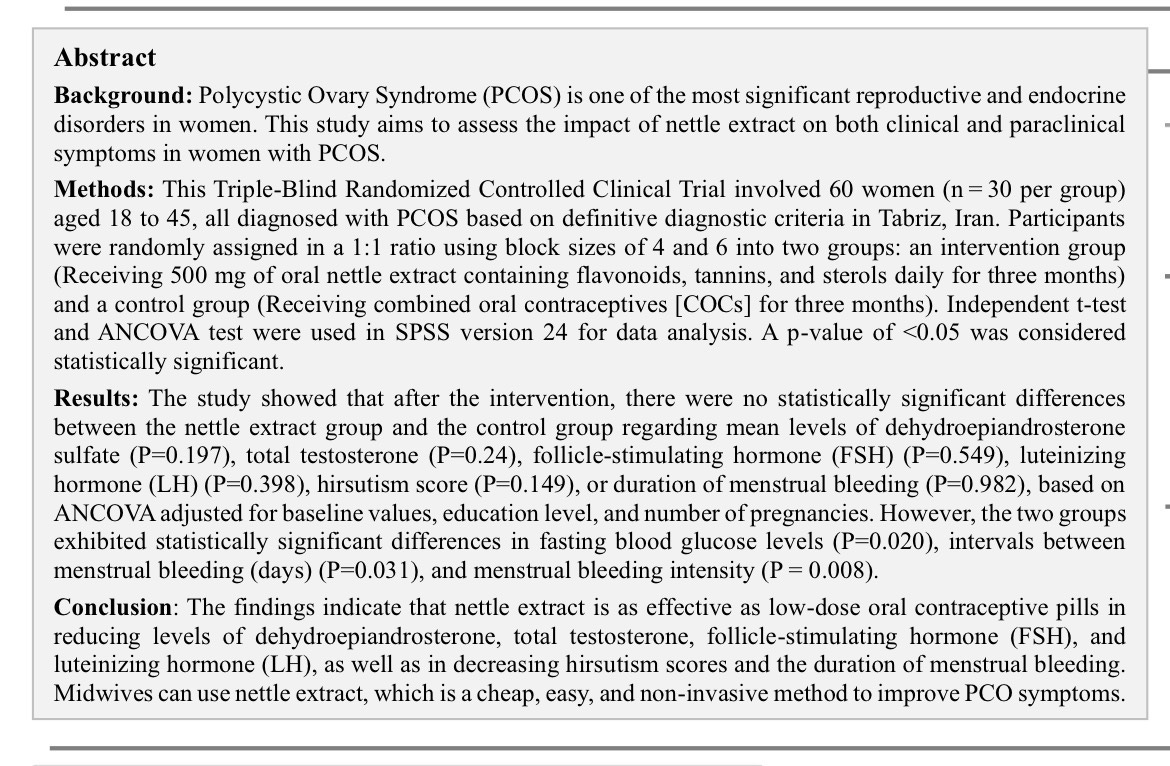
[screenshot taken from the study]
The Preparation Is a Ghost
The study tells us that participants in the nettle group received 500 mg of an oral nettle extract containing flavonoids, tannins, and sterols. The capsules were prepared by a company called Sina Novandish in Tabriz, Iran, and the contents were confirmed by a pharmaceutical research department.
That sounds reasonable until you start asking the questions that actually matter.
What part of the plant was used? Root? Leaf? Seed? The paper never says.
This is a big deal, because nettle root and nettle leaf are practically different medicines.
Nettle root is the part with documented anti-androgenic activity. It’s the part that shows up in research on testosterone and 5-alpha reductase.
Nettle leaf is more commonly associated with anti-inflammatory and antihistamine effects. The chemistry is different.
The clinical applications are different. Lumping them together under the word “nettle” is like saying you took “a mushroom” without telling anyone whether it was reishi or lion’s mane.
Based on the study's focus on hormonal endpoints and androgen-related markers, we could assume the root was used. The pharmacology points that direction. But why are we left to assume anything from a published scientific study? Assumption is not methodology. If the researchers knew what part of the plant they used, they should have written it down. If they didn't know, that's a bigger problem.
Here’s what else is missing: the extraction method. Was this a water extract? An ethanol extract? A hydroalcoholic tincture dried down into powder? The solvent determines which compounds end up in the final product. An aqueous extract of nettle root will pull different constituents than an ethanolic one. Without knowing the method, we have no way to evaluate what was actually in those capsules.
There’s also no standardization data. The paper mentions flavonoids, tannins, and sterols, but gives no concentrations, no marker compound percentages, no chromatographic profile. “Contains flavonoids” is not a specification. That’s a category.
It tells us almost nothing about potency or consistency.
Then there’s the part that connects back to the Instagram post. The creator selling the nettle product clarified in the comments that their product uses nettle leaf. Fine. But the study never specifies the plant part. So even if the study had shown something incredible (it didn’t, but we’ll get there), you still could not draw a line from this paper to that product. The link doesn’t exist. It was manufactured in the marketing, not in the research.
This matters because reproducibility is the backbone of science. If another research team wanted to replicate this trial, they couldn’t. They wouldn’t know what to put in the capsule.
And if we can’t replicate a study, we can’t build on it.
It just sits there, looking like evidence, doing the work of evidence, but without the structural integrity to actually be evidence.
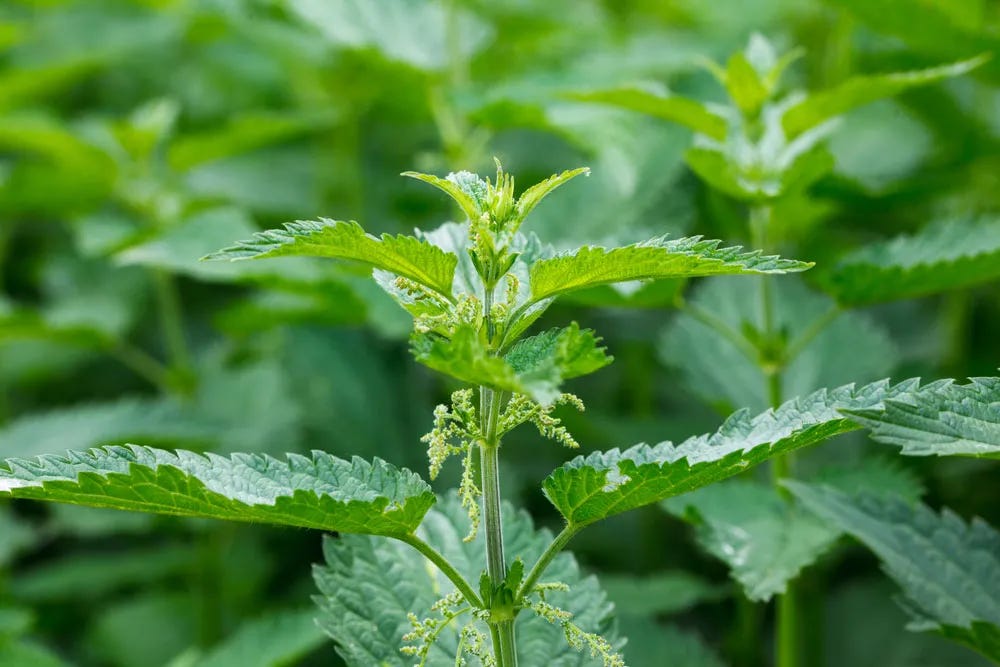
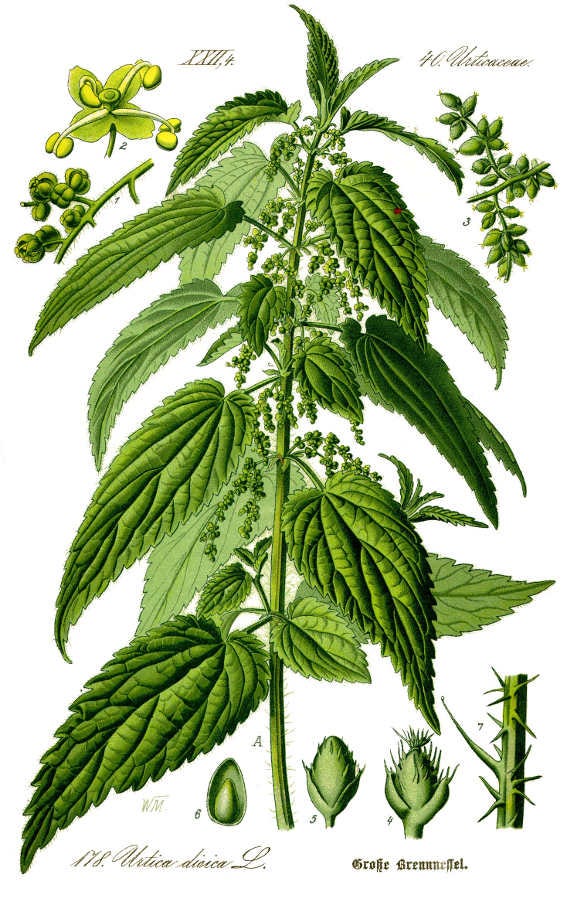
Stinging nettle
The Stats Don’t Say What the Conclusion Says
This is the part that made my eyes roll back on the couch that morning.
The study measured six primary outcomes: DHEA-S, total testosterone, FSH, LH, hirsutism scores, and duration of menstrual bleeding. After three months, the researchers ran an ANCOVA test comparing the two groups while adjusting for baseline values, education level, and number of pregnancies.
Here are the p-values they got:
DHEA-S: P = 0.197.
Total testosterone: P = 0.24.
FSH: P = 0.549. LH: P = 0.398.
Hirsutism score: P = 0.149.
Duration of menstrual bleeding: P = 0.982.
Every single one of those is above 0.05. In research, that means the difference between the two groups was not statistically significant. The study set its own threshold at P < 0.05. By its own rules, none of these outcomes showed a meaningful difference between nettle and the oral contraceptive.
Now here’s where it gets wild.
The conclusion of the paper states that nettle extract is as effective as low-dose oral contraceptive pills in reducing DHEA, total testosterone, FSH, LH, hirsutism scores, and menstrual bleeding duration.
Read that again if you need to.
The results say, “we found no significant difference between groups.” The conclusion translates that into “they work equally well.”
Those are not the same statement.
They are not even close to the same statement.
“No significant difference” means the study could not detect a difference. That’s it. There are a few possible reasons for that.
Maybe the two interventions genuinely perform the same way.
Maybe the study was too small to pick up a real difference.
Maybe the measurement tools weren’t sensitive enough.
Maybe the three month window wasn’t long enough.
All of those explanations are on the table.
What you cannot do is pick the one explanation that makes your intervention look good and present it as a conclusion. That’s not how statistics work. That’s not how any of this works.
And here’s the thing that really gets under my skin. The study did find three statistically significant differences between the groups.
Fasting blood glucose (P = 0.020), menstrual cycle interval (P = 0.031), and menstrual bleeding intensity (P = 0.008). In two of those three, the oral contraceptive group did better. The OCP group had shorter cycle intervals (31 days versus 38 days in the nettle group) and no cases of severe bleeding, while the nettle group had three.
The only marker where nettle appeared to have an edge was fasting blood glucose, where the nettle group’s levels stayed stable while the OCP group’s went up slightly.
So, the places where the study actually found significant differences? Two out of three favored the drug, while the conclusion stating nettle works just as well.

Zero Dropouts in Three Months
The study enrolled 60 women. Thirty in the nettle group, thirty in the OCP group. After twelve weeks, all 60 completed the trial. No one dropped out. No one missed a visit. No one stopped taking their capsules. No one got pregnant. No one had a side effect severe enough to pull them from the study.
And according to the participants’ own reports, there were zero side effects in either group.
Zero.
Let’s sit with that for a second.
The control group was taking a combined oral contraceptive. These are well-studied drugs with well-documented side effect profiles. Nausea, headaches, breast tenderness, mood changes, breakthrough bleeding. These aren’t rare events. They’re expected. The package insert tells you to expect them. And yet thirty women took OCPs for three months and not one of them reported a single complaint.
On the nettle side, we have 30 women taking a 500 mg extract of unknown plant part and unknown extraction method daily for three months. Also zero reported side effects. Also zero dropouts.
Clinical trials lose people. It’s one of the most predictable things about running a study. People move. People forget. People get frustrated with the protocol. People get pregnant despite being told not to. The researchers even built a 10% dropout rate into their sample size calculation, which means they expected to lose people. They planned for it - and then it supposedly didn’t happen.
A zero-dropout rate in a 12-week trial involving hormonal endpoints and daily pill-taking in a population of reproductive-age women is not impossible. It could happen. But it’s incredibly rare, and when it does happen, it warrants explanation. It suggests either extraordinary retention efforts that should be discussed in detail, or incomplete reporting.
The paper doesn’t address it at all. It just states it like it’s normal and moves on.
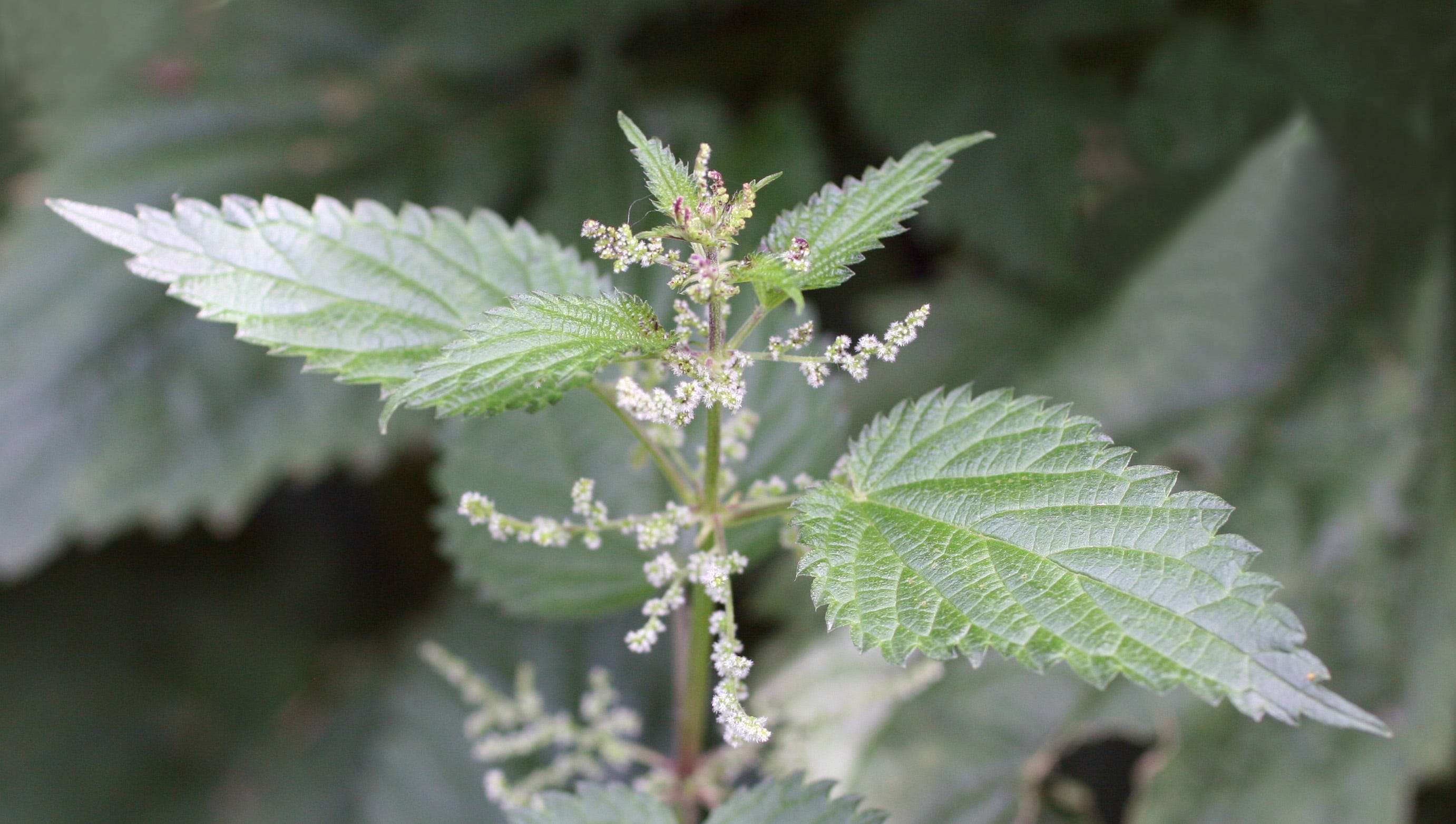
Stinging nettle - source unknown
What Else Is Missing from the Design
Beyond the preparation problems and the dropout situation, there are a few more structural issues worth flagging.
First, sample size. Thirty people per group is small. The researchers calculated their sample size based on an expected 10% reduction in DHEA levels, and they landed on 27 per group, then rounded up to 30 to account for dropout. That math checks out on paper. But when you’re measuring multiple hormonal endpoints, menstrual patterns, hirsutism scores, and blood glucose across two groups of 30, you’re stretching a small sample across a lot of variables. Small studies are more vulnerable to random noise. A single outlier can shift a group mean in a meaningful way. And when you pair a small sample with non-significant results and then conclude equivalence, you’re building on sand.
Second, there’s no placebo arm. The study compares nettle to an oral contraceptive. That means we can see how nettle stacks up against a drug, but we have no idea how either group compares to doing nothing. Both groups also received lifestyle counseling on nutrition and physical activity. If both groups improved over three months, how much of that improvement came from the capsule and how much came from the counseling? We can’t separate those effects without a placebo group.
Third, the blinding. The study calls itself triple-blind, and they did put the OCP tablets inside capsules to make them look identical to the nettle capsules. That’s a decent effort. But the OCP regimen involved 21 active capsules and 9 placebo capsules per cycle to mimic the standard pill pack, while the nettle group took one capsule daily straight through. If a participant was paying any attention to her dosing pattern, the blinding could have been compromised. The paper doesn’t discuss whether anyone figured out which group they were in.
Fourth, confounders. The researchers adjusted their analysis for education level and number of pregnancies because those variables differed significantly between groups at baseline. That’s appropriate. But they didn’t control for diet, exercise habits, insulin levels, or lipid profiles, all of which are deeply relevant to PCOS outcomes. The paper acknowledges this in the limitations section, which is good. But acknowledging a limitation doesn’t erase its effect on the data.
Fifth, the study ran from December 2022 to April 2025. That’s roughly two and a half years for a three month intervention with 60 participants. The paper doesn’t explain the timeline. Enrollment challenges, funding delays, and institutional slowdowns are all common and understandable. But when a trial takes that long relative to its size, it’s worth asking whether the conditions of the study stayed consistent across that window.
None of these issues alone would sink a paper. But stacked together, on top of an undefined preparation, a statistically unsupported conclusion, and a suspiciously clean retention rate, they add up. The foundation isn’t strong enough to hold the weight of the claims being built on it.
Why This Matters for PCOS Specifically
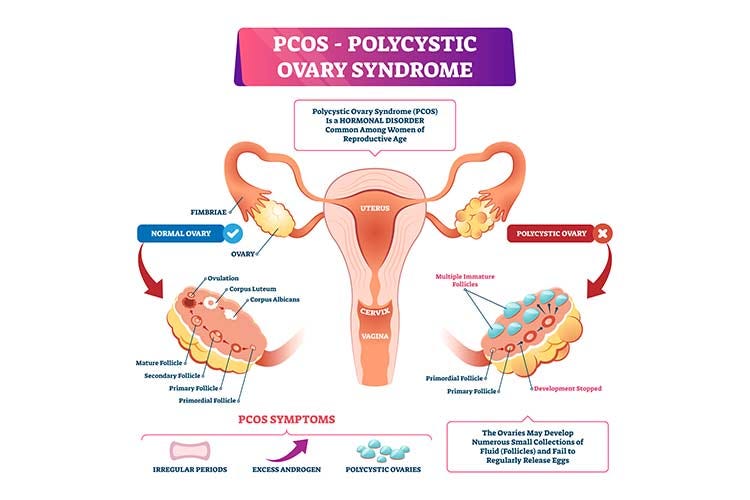
PCOS is one of the most common endocrine disorders in women of reproductive age. Depending on which diagnostic criteria you use, prevalence estimates range from about 13% to 19%. It affects hormones, metabolism, fertility, skin, weight, mood. It touches everything.
And here’s the part that doesn’t get talked about enough: PCOS is chronically undermanaged by conventional medicine.
A lot of women with PCOS describe years of being dismissed, misdiagnosed, or handed a prescription for birth control and told to come back when they want to get pregnant. The standard of care is improving, slowly, but the lived experience for a lot of these women is frustration. It’s feeling unheard. It’s being told their symptoms are just stress, or weight, or bad luck.
That frustration drives people toward alternatives, and there is nothing wrong with that. Herbal medicine has real things to offer people with PCOS. But that same frustration also makes people vulnerable. When someone has been failed by the system they were told to trust, they become much more willing to believe the next person who shows up with an answer. Especially if that answer comes wrapped in the language of nature, autonomy, and empowerment.
So, when a creator posts a study claiming that nettle works just as well as birth control for PCOS and then offers a discount on their nettle product in the same breath, the audience for that message is not neutral.
The audience is tired. The audience has already been let down. The audience wants this to be true.
That’s what makes the sloppy marketing so much worse than just bad science communication. It’s taking advantage of a gap that medicine created. It’s filling a void with a promise that the research doesn’t actually support.
And the people who will pay for that, financially and physically, are the ones who were already getting the short end.
What Nettle Actually Does (and Doesn’t Do)
I want to be clear about something. I’m writing this article because I care about nettle, not because I have a problem with it.
Nettle is one of those plants that deserves a permanent spot in the conversation. The problem was never the plant. The problem is what people are projecting onto it using bad data.
So, let’s talk about what we actually know. Citing references in-text here so you can follow up directly with the study if desired.
Nettle (Urtica dioica) has a long history of use across multiple traditions and is one of the more well-studied plants in Western herbal medicine. It’s been used as food and medicine for over 2,000 years across Europe, Asia, North Africa, and North America (Bhusal et al., 2022). All parts of the plant (seeds, leaves, and roots) have documented medicinal applications (Bhusal et al., 2022). The key chemical constituents include flavonoids, tannins, volatile compounds, fatty acids, polysaccharides, isolectins, sterols, terpenes, proteins, vitamins, and minerals (Devkota et al., 2022; Ferro et al., 2023).
That’s a rich and varied chemistry. But “well-studied” comes with a caveat: most of what we know still comes from in vitro research, animal models, and small clinical trials. The evidence base is growing, but it’s not yet robust enough to support sweeping therapeutic claims.
Here’s where the distinction the study failed to make really costs us. Nettle root and nettle leaf do fundamentally different things.
Nettle root has the stronger connection to hormonal activity. Research shows that lignans isolated from nettle root can bind to human sex hormone-binding globulin, or SHBG (Schöttner et al., 1997). An aqueous root extract was shown to inhibit the binding of SHBG to its receptor on human prostatic membranes in a dose-dependent manner (Hryb et al., 1995). There’s also data suggesting nettle root can influence aromatase activity, and some evidence of 5-alpha reductase inhibition, though a comprehensive review by Chrubasik et al. (2007) concluded that SHBG, aromatase, and epidermal growth factor are more likely involved in nettle root’s anti-prostatic effects than 5-alpha reductase. This is why nettle root shows up in formulas for benign prostatic hyperplasia across Europe and why the German Commission E and ESCOP both recommend it for urinary symptoms related to prostate enlargement. The hormonal relevance is there. Whether it translates meaningfully to PCOS in humans is still an open question, but at least the mechanism makes pharmacological sense.
Nettle leaf is a different story. The leaf is rich in quercetin, rutin, kaempferol, and other flavonoids, along with chlorophyll, minerals like iron, calcium, and magnesium, and vitamins A, C, and K (Devkota et al., 2022). It has documented anti-inflammatory, antioxidant, analgesic, and antihistamine activity (Bhusal et al., 2022; Ferro et al., 2023). It’s a fantastic nutritive herb. It’s wonderful for seasonal allergies, for supporting kidney function, for general mineral replenishment. But the evidence connecting nettle leaf specifically to androgen reduction or ovarian function is thin. It’s mostly extrapolated from the root data or from animal models, not from human clinical trials using the leaf.
The study we’re discussing mentions flavonoids, tannins, and sterols in the capsule, which could point to either plant part. Or both. We don’t know. That ambiguity is the whole problem. If the preparation used root, the anti-androgenic hypothesis at least has a theoretical leg to stand on. If it used leaf, the mechanism for the claimed effects gets much harder to justify. And if the Instagram creator is selling a leaf product based on this study, the disconnect gets even wider.
There’s also the question of dose. The study used 500 mg once daily. In clinical herbal practice, nettle root for hormonal applications is typically dosed higher than that, often in the range of 600 to 1200 mg daily of a standardized extract. 500 mg of an unstandardized extract of an unspecified plant part is, at best, a starting point. Building a clinical conclusion on that dose without knowing what’s in it is like trying to evaluate a recipe when someone won’t tell you the ingredients or the measurements.
Nettle is a good plant. It has real pharmacology. It deserves real research.
This is exactly why studies like this one are so frustrating. They don’t move the needle forward. They give nettle a headline it can’t cash, and when the claims fall apart under scrutiny, the plant takes the reputational hit.

What We Owe Herbal Medicine
I know how this article might land for some people. An herbalist picking apart a study that supports herbs feels counterintuitive. It feels like friendly fire.
But here’s the thing: I didn’t write this because I want herbal medicine to fail. I wrote this because I want it to be taken seriously, and it will never be taken seriously if we keep propping up bad research just because the conclusion sounds nice.
This study asked a good question. It asked whether a plant extract could hold its own against a pharmaceutical in managing a complex endocrine condition. That’s the kind of question herbal medicine needs more of.
But asking a good question and answering it well are two very different things. The preparation was undefined. The statistics didn’t support the conclusion. The retention data raises more questions than it answers, and the design had enough gaps that even a positive result would have been hard to trust.
None of that is nettle’s fault. Nettle didn’t write the paper. Nettle didn’t misread the p-values. Nettle didn’t sell itself at a discount in the comments section of an Instagram post.
We did that. The humans in the herbal space did that, and we can do better.
If you’re someone with PCOS reading this, I want you to know: your frustration with the system is valid. Your desire to explore plant medicine is valid. You deserve practitioners and educators who will tell you the truth about what the research actually says, even when the truth is less exciting than the headline.
If you’re an herbalist reading this, I want you to know: our credibility is the most valuable thing we have. Every time we stretch a weak study into a marketing claim, we spend a little bit of it. Every time we let bad science slide because it makes plants look good, we make it easier for the next person to dismiss all of us.
Herbal medicine deserves better evidence than this. And the people who come to us for help deserve better than being sold hope dressed up as science.
If this piece resonated with you, I would love to hear your thoughts. Conversations like this are how we strengthen the herbal field together, so feel free to leave a comment and share this with someone who cares about thoughtful, evidence-informed plant medicine.
If you want to keep exploring this kind of work, The Library is where I gather my deeper guides, safety resources, and research breakdowns in one place. It’s built for readers who want to understand not just what herbs do, but how and why they work, and how to use them responsibly in the real world.
Upgrading your subscription helps support this research-focused writing and keeps The Library growing for everyone who wants a more grounded approach to herbalism.
Until next time,
— Agy | The Buffalo Herbalist
Excellent analysis. It is so refreshing to read a herbalist who has strong scientific literacy and a passionate integrity about plant medicine.
This article lands JUST RIGHT. I’m a clinical herbalist working in a primary care setting and combatting misinformation is my primary job. I appreciate your work so damn much and it’s fabulous to see level headed herbalists out here working for all of our reputations and better outcomes for folks looking to herbs for their health.