


Osteoporosis is a topic I’ve been asked to cover more than once.
It comes up in conversations about aging, about menopause, about family history, and about the quiet questions people carry when they start thinking about their bones in a new way. This article also grows out of my most recent post, where I looked closely at how wellness media talks about bone health. If you’d like that context, you can find it here.
This piece is about understanding.
Osteoporosis sits within a much larger physiological story about how our bodies change over time. About hormones, immune signaling, movement, nutrition, and the way bone responds to the life we live. My goal is to walk you through the why behind this process so you can feel more connected to what is happening inside your own body, not just informed about what to do next.
When we understand mechanisms, we gain clarity.
We start making choices from a place of awareness rather than urgency. We become better stewards of our own health, and often, better advocates for the people we care about.
You will not find a one size fits all protocol here.
What you will find is a framework.
A way of thinking about bone health that feels grounded in physiology and generous in possibility. Whether you are navigating your own bone health, supporting a parent, or thinking ahead for your future self, this article is meant to offer tools you can carry forward. Tools that help keep your skeleton supported, resilient, and well cared for across the years.
Source Unknown
Understanding Osteoporosis
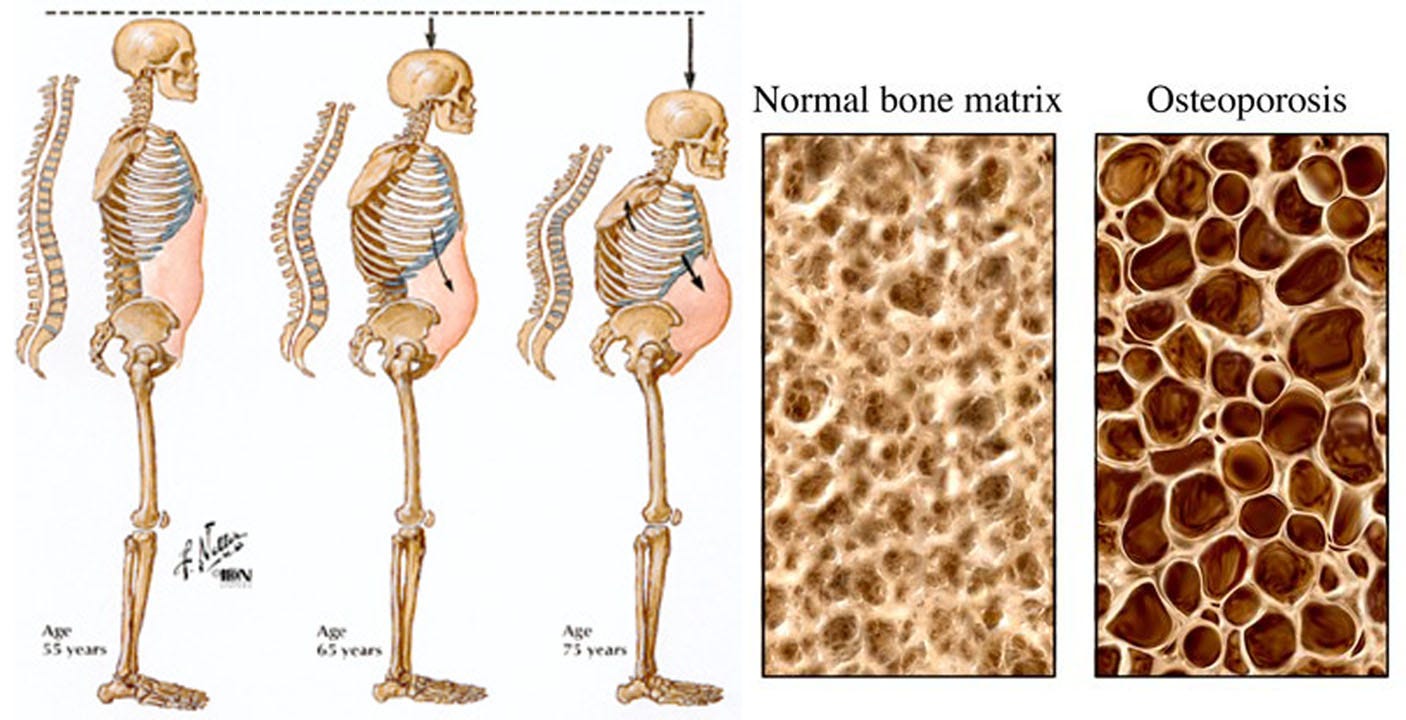
Osteoporosis is often described as bone loss, yet the reality is more layered than that. At its core, osteoporosis is a condition of compromised bone strength, shaped by both how much bone a person has and how well that bone is built. Strength reflects density, but it also reflects structure, resilience, and the health of the cells that maintain the skeleton.
Bone is living tissue that renews itself every day through a process called remodeling. This renewal unfolds through the steady partnership of two main groups of cells.
Osteoclasts act as the body’s natural recyclers. Their role is to gently break down older bone, dissolving small areas so the minerals stored there can be released back into circulation. This is not damage. It is maintenance. Clearing space makes renewal possible.
Osteoblasts are the builders. They follow behind, laying down fresh matrix that gradually becomes new mineralized bone. This is how the skeleton stays responsive to movement, injury, and changing demands across life.
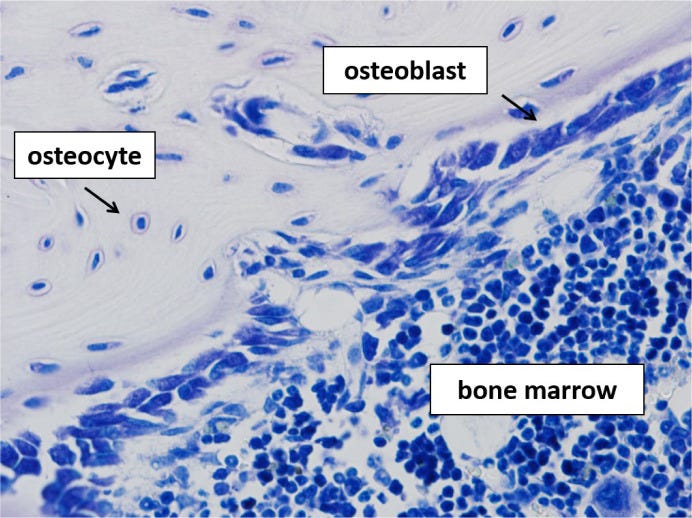
Osteocytes are the most abundant cell type in bone and were for a long time regarded as non-participating bystanders of bone metabolism
Together, these cells keep bone adaptable and strong. They also help regulate calcium levels in the bloodstream, linking the skeleton directly to metabolism, muscle function, and nerve signaling. Bone holds you up, and it participates quietly in keeping your internal environment steady.
For much of life, this system stays in rhythm. Over time, that rhythm evolves. The pace of building gradually slows, while signals that encourage breakdown become more prominent. Low-grade inflammation becomes a steadier feature of physiology, and immune messengers influence how actively these bone cells work. These changes unfold quietly across years, shaping skeletal strength long before they appear on a scan.
Osteoporosis develops within this landscape of shifting signals. It reflects a pattern in which renewal no longer keeps pace with recycling. Bone density changes, but so does bone architecture. The inner scaffolding becomes more porous. The outer shell grows thinner. The cells that coordinate repair become less active. These shifts shape fracture risk in a way that feels gradual rather than sudden.
Hormones, Immunity, and the Deeper Biology of Bone
Bone listens closely to the endocrine and immune systems.
Estrogen and androgens act as steadying influences within bone tissue across the lifespan. They help guide how osteoclasts and osteoblasts behave, keeping the balance between breakdown and rebuilding in rhythm. As these hormonal signals change, particularly during menopause, the cellular environment of bone adapts in response.
This is where osteoporosis becomes a story of systems working together rather than a single hormonal shift.
The immune system plays an active role in this process. Many of the cells involved in bone turnover share origins with immune cells. Osteoclasts themselves arise from the same family as macrophages and dendritic cells. T-cells and B-cells participate in shaping bone health by releasing signaling molecules that influence whether bone is built or broken down.
Cytokines such as TNF, IL-1, IL-6, and IL-17 support osteoclast activity and extend their lifespan. Over time, this shifts the rhythm of remodeling toward greater resorption. This emerging understanding of immune–bone communication is known as osteoimmunology, and it has transformed how we think about osteoporosis.
As people age, a gentle rise in baseline inflammatory tone becomes part of normal physiology. This does not resemble acute illness, yet it influences tissues throughout the body, including bone. Research increasingly links this low-grade inflammation with changes in bone density and fracture risk, helping explain why osteoporosis reflects immune rhythms as much as skeletal ones.
Hormonal transitions amplify this dynamic. During menopause, changes in estrogen influence immune balance in ways that support greater osteoclast activity and fewer regulatory signals that keep inflammation steady. Certain T-cell subsets become more active in producing pro-inflammatory messengers. B-cells contribute by producing molecules that influence the RANK and RANKL pathway, one of the central signaling systems that governs osteoclast development.

Age adds further layers. Inside bone tissue, cellular rhythms shape resilience. Mitochondrial function, oxidative balance, autophagy, and DNA repair influence how well bone cells continue their work over time. These processes help explain why bone strength reflects far more than mineral content alone.
Peak bone mass, usually reached in early adulthood, forms the foundation for everything that follows. From that point forward, bone reflects a lifetime of biological conversations shaped by genetics, nutrition, movement, immune tone, hormonal rhythms, and metabolic health. Osteoporosis unfolds along this arc. It is a process shaped by how living tissue adapts across decades.
Seen this way, osteoporosis becomes easier to understand. It is not simply about thinning bones. It is about how the body coordinates renewal, repair, and resilience through time. A story written through cells, signals, and systems working together.
And now I want to introduce you to a concept you may not have fully connected before.
If you already carry the understanding that the gut influences far more than digestion, that it shapes immunity, hormones, and everyday physiology, then this next part will feel like a natural extension of that idea. If you are still learning to see the gut as central to whole-body health, consider this an invitation into that way of thinking.
Because yes, the gut and the gut microbiome play a meaningful role in bone health.
At first glance, that connection can feel unexpected. Bones seem far removed from digestion. Yet the body does not work in isolated systems. It works through conversations. And one of the most important conversations shaping bone strength begins in the gut.
Let me show you how.
The Gut–Bone Conversation
Before we can fully understand how the gut directly shapes osteoporosis, we first need to understand how the gut became part of the bone story at all. The sections that follow will move more closely into what this connection looks like in clinical research and lived physiology. But this foundation matters. It reminds us that bone health grows out of relationships between systems, not isolated pathways.
And once we see that, the conversation around osteoporosis begins to open in new and more meaningful ways.

A growing body of research is reshaping how we think about bone health. For a long time, osteoporosis lived mostly in conversations about hormones and minerals. Today, it is understood as part of a much wider biological network. One of the most influential contributors to that network is the gut microbiome.
When we talk about the microbiome, we are speaking about the vast ecosystem of bacteria, fungi, viruses, and other microorganisms that live in the digestive tract. These microbes help guide how we digest food, absorb nutrients, regulate immune activity, and maintain metabolic balance. Over the past decade, researchers have begun to recognize that these same processes quietly shape tissues far beyond the gut, including the skeleton.
Some of the earliest clues came from animal studies. In experiments with germ-free mice, animals raised without a microbiome, scientists observed differences in bone mass and remodeling patterns. When those animals were later colonized with microbes, many of those skeletal patterns shifted. This opened the door to a new way of thinking about bone health. Bone was no longer seen only as a hormonal or mineral story, but as part of a larger system shaped by digestion, immunity, and metabolism.
Since then, both animal and human studies have continued to build on this foundation. Patterns of gut microbial diversity now appear alongside patterns in bone density, structure, and fracture risk. Together, these findings gave rise to what is often called the gut–bone axis, a framework that recognizes bone as part of a living physiological conversation rather than an isolated structure.
How the Microbiome Supports Bone Metabolism
One of the most direct ways the microbiome shapes bone health is through nutrient handling.
Every mineral that becomes part of the skeleton enters the body through digestion. Calcium, magnesium, phosphorus, and trace minerals rely on the integrity of the intestinal lining and on microbial cooperation for effective absorption. The composition of the microbiome influences intestinal pH, enzyme activity, and transport mechanisms that determine how much of these nutrients actually reach circulation.
The microbiome also participates in vitamin D metabolism and bile acid signaling, both of which shape how nutrients are processed and delivered to tissues. Together, these pathways influence the availability of the raw materials that bone uses for ongoing renewal.
This is one reason bone health often mirrors digestive health in subtle ways. The state of the gut helps shape the conditions under which skeletal tissue is built and maintained.
Short-Chain Fatty Acids and Whole-Body Signaling
When gut microbes ferment dietary fibers, they produce compounds called short-chain fatty acids, including acetate, propionate, and butyrate. These molecules help maintain the intestinal barrier and participate in immune and metabolic signaling throughout the body.
What makes this especially meaningful for bone health is how these compounds influence immune rhythm. Short-chain fatty acids help shape the balance between inflammatory and regulatory immune responses. Bone remodeling responds closely to this balance. When inflammatory signaling becomes more dominant, osteoclast activity tends to rise. When regulatory pathways are well supported, the rhythm of renewal remains steadier.
In animal models, diets that support short-chain fatty acid production have been associated with greater bone mass and more balanced remodeling patterns. In postmenopausal and inflammation-associated bone loss, these microbial metabolites appear to support a biological environment that favors preservation of bone structure over excessive resorption.
This offers an important reframe. Gut-derived molecules do not stay in the gut. They circulate systemically and help shape tissues as distant as the skeleton. Bone listens not only to hormones and minerals, but also to the metabolic language of the microbiome.
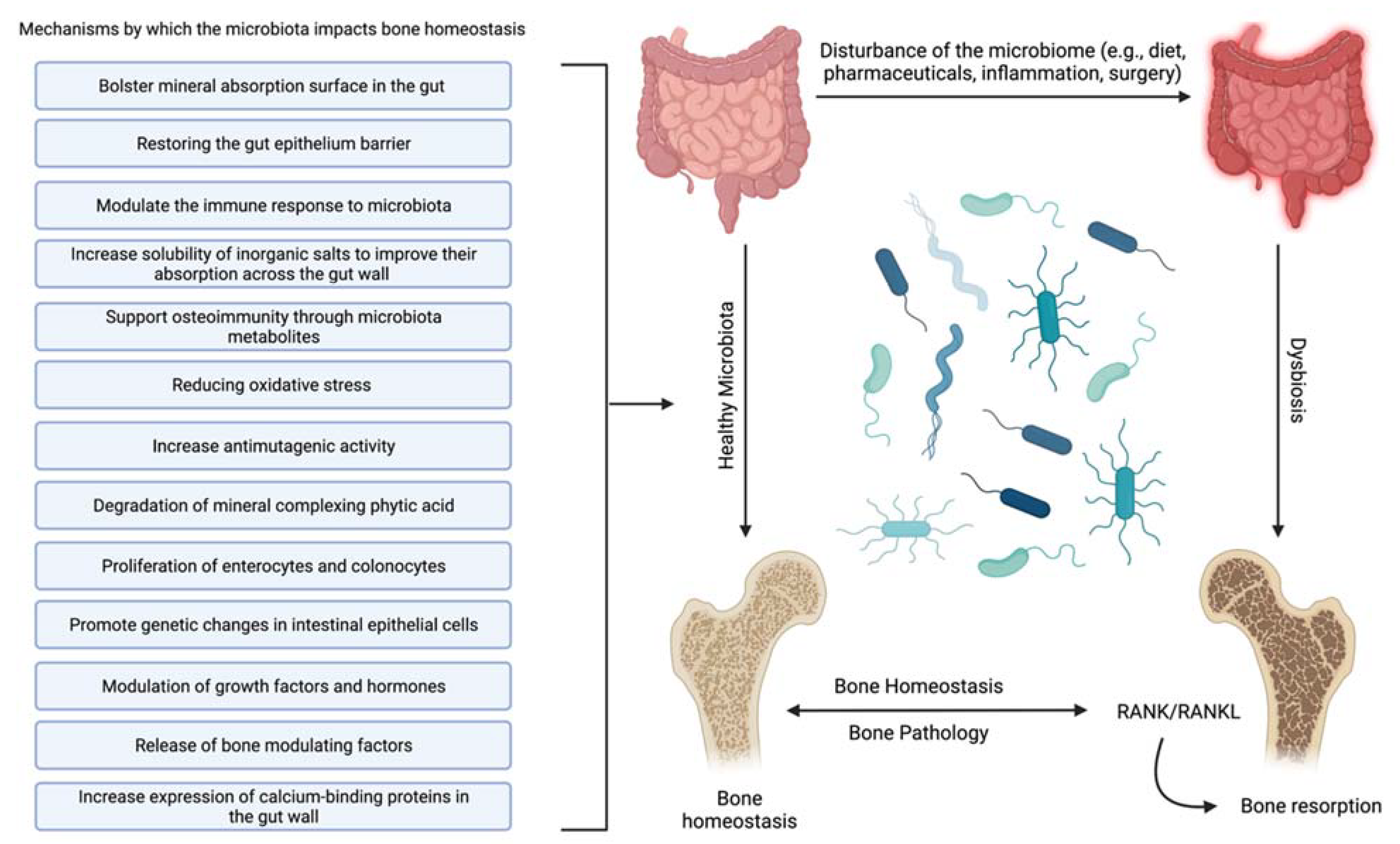
Mechanisms of interaction between the human gut microbiota and bone that lead to increased bone mineral density or suppression of osteoporosis
Immunity as the Bridge Between Gut and Bone
Another major pathway linking the microbiome to bone health is the immune system.
The gut serves as one of the body’s primary training grounds for immunity. Microbes interact with intestinal epithelial cells and immune cells such as dendritic cells, macrophages, and lymphocytes, shaping how immune responses develop and mature. These interactions influence both local immune balance and systemic immune tone.
Cells activated in the gut circulate throughout the body, carrying signals that reach tissues far beyond the digestive tract, including the bone marrow. This is where the gut–immune–bone relationship becomes especially clear.
Certain immune cell populations play a particularly important role in this dialogue. Th17 cells, which support inflammatory signaling, and regulatory T cells, which help maintain immune balance, both influence bone turnover. The microbiome helps shape the balance between these cell types, in part through the production of short-chain fatty acids.
When inflammatory pathways take the lead, cytokines such as TNF-α, IL-1, IL-6, and IL-17 increase in circulation. These same messengers guide osteoclast development and activity, shaping remodeling patterns over time. In this way, immune rhythms that begin in the gut participate directly in shaping skeletal rhythms.
Hormones, Microbes, and Skeletal Signaling
Hormonal pathways add another layer to the gut–bone relationship.
The microbiome interacts with estrogen metabolism, parathyroid hormone signaling, and vitamin D pathways, all of which guide bone biology. Microbial metabolites influence how hormones are processed, how receptors respond, and how signaling cascades unfold in target tissues.
This helps explain why individuals experience different skeletal responses to similar hormonal transitions, especially during menopause. Variations in microbial composition and immune history shape how the body interprets endocrine change at the cellular level.
Through this lens, osteoporosis becomes more than a story of declining hormones. It becomes a story of how hormonal shifts are interpreted within a biological landscape shaped by immunity, metabolism, and microbial ecology.
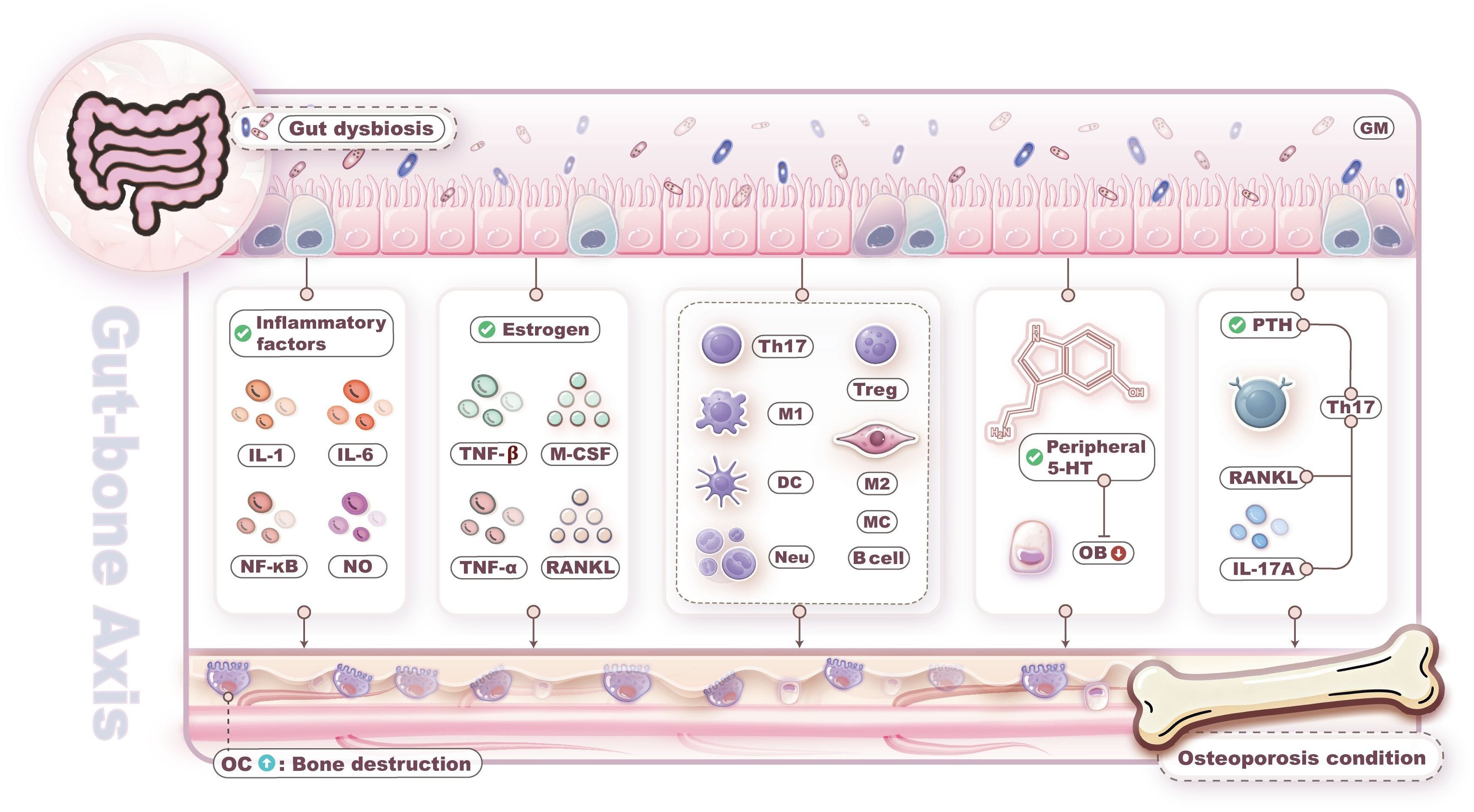
Gut microbiota (GM) dysbiosis leads to bone loss. Bone loss driven by GM dysbiosis through multiple mechanisms, including inflammatory factor release, metabolite alterations, immune dysregulation, intestinal barrier impairment, and endocrine hormone disruption.
The Gut Microbiome and Osteoporosis
A systems view of bone health brings new clarity to osteoporosis. Rather than reflecting only changes in mineral density, osteoporosis reflects shifts in how the body coordinates renewal, immune balance, and hormonal signaling over time. The gut microbiome participates in shaping that coordination, influencing the biological environment in which bone loss develops.
Microbial ecology plays an active role in how skeletal resilience is maintained across the lifespan. Research shows that people with osteoporosis often display distinct patterns in gut microbial composition compared with those who maintain stronger bone density. These differences appear alongside changes in immune tone, estrogen metabolism, and inflammatory signaling. Together, they suggest that the microbiome helps shape how the body interprets aging, menopause, and long-term tissue renewal.
Across multiple studies, adults with osteoporosis tend to show lower microbial diversity, with shifts in key bacterial groups involved in immune regulation and metabolic signaling. These patterns matter because microbial diversity supports steady communication between the gut, immune system, and endocrine network. That communication guides how bone remodeling unfolds over time.
How Microbial Balance Shapes the Osteoporosis Landscape
One of the most meaningful ways the microbiome shapes osteoporosis risk is through its influence on estrogen metabolism. Gut bacteria participate in the processing and recirculation of estrogens through enzymes such as β-glucuronidase, which help convert conjugated hormones back into active forms. When this process remains supported, circulating estrogen levels stay more stable through midlife transitions. Changes in microbial balance influence estrogen availability, especially during and after menopause, shaping how osteoclast activity participates in bone turnover.
The immune system forms another central bridge in this story. Estrogen transitions influence immune balance, and the microbiome shapes how that transition unfolds. In postmenopausal physiology, changes in gut permeability and immune signaling often accompany shifts in sex hormones. Research shows that microbial composition corresponds with patterns in inflammatory messengers such as TNF-α, RANKL, and IL-17. These same cytokines guide osteoclast development and activity, linking microbial ecology directly to skeletal remodeling rhythms.
Circadian rhythm adds another layer to this conversation. Bone health reflects daily biological timing as much as long-term physiology. Sleep patterns and circadian alignment shape tissue renewal and repair. Melatonin plays an important role here. While commonly associated with the pineal gland, melatonin is also produced in the gut by enterochromaffin cells and microbial activity. A substantial portion of melatonin synthesis occurs locally within the digestive tract, positioning the gut as part of the body’s rhythmic signaling network that influences tissue resilience, including bone.
Vitamin D metabolism further illustrates the gut–bone relationship in osteoporosis. Gut microbes influence how vitamin D is processed and how effectively it supports calcium balance and immune modulation. Studies suggest that vitamin D supplementation can shift microbial patterns toward a more supportive balance, reinforcing the idea that endocrine support and microbial ecology move together rather than separately.
Probiotic research adds another dimension to this picture. Certain strains of Lactobacillus, Bifidobacterium, and related species demonstrate the ability to support intestinal barrier integrity, shape inflammatory signaling, and influence bone turnover markers in both animal models and postmenopausal women. These effects unfold through multiple pathways at once, including immune modulation, reduced gut permeability, and steady communication between the gut and bone marrow.
Together, these findings deepen the understanding of osteoporosis as a condition shaped by networks rather than isolated systems. Bone loss reflects patterns in immune rhythm, hormonal signaling, metabolic support, and microbial ecology. The gut microbiome participates in each of these layers, influencing how the body adapts to aging and hormonal transition over time.
Seen through this lens, osteoporosis fits naturally within the broader landscape of physiology. What shows up in the skeleton reflects conversations unfolding across digestion, immunity, endocrine signaling, and circadian rhythm. The gut helps shape the terrain in which bone health is written, one system in dialogue with another.
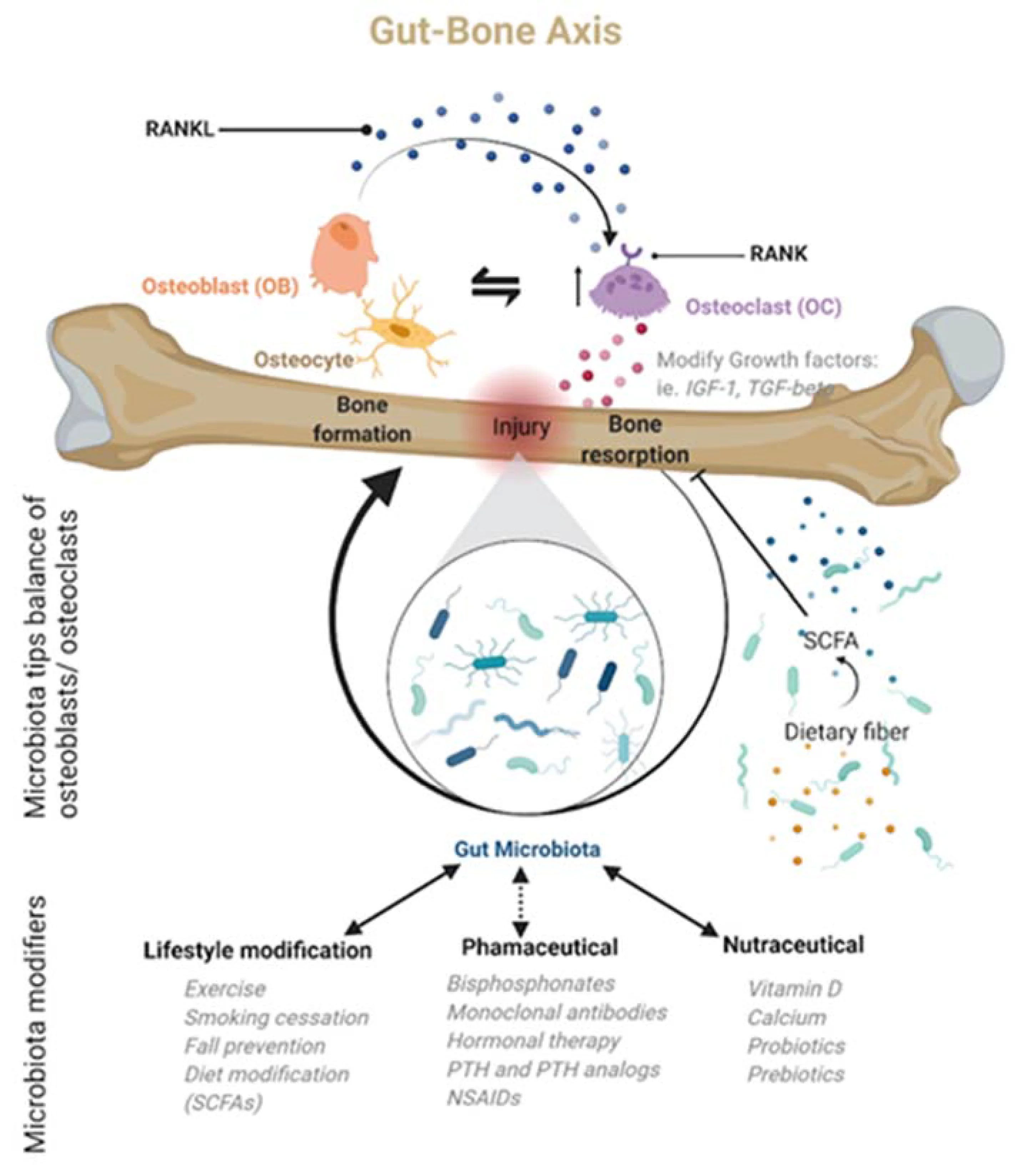
The gut microbiota is only now being recognized as a central regulator of bone homeostasis, particularly after an injury, in what is now being called the gut–bone axis.
What the Research Is Now Showing
At this point, the science does something reassuring. It begins to echo what physiology has already been telling us.
With a clearer picture of how the gut, immune system, and hormones participate in bone health, clinical research begins to feel like a natural extension of the story.
Over the past few years, researchers have explored how patterns in the microbiome appear alongside patterns in bone health. A recent meta-analysis brought together findings from sixteen clinical studies focused on postmenopausal women to better understand this connection.
Across more than fifteen hundred participants, a consistent picture emerged. Women with postmenopausal osteoporosis showed a distinct microbial profile compared to those without it. Their gut ecosystems carried a different balance of bacterial diversity, a feature that often travels alongside resilience in physiology. A more varied microbial community tends to support steady immune communication and metabolic balance, both of which matter for tissues that rely on long-term renewal, including bone.
The differences extended beyond which microbes were present to what those microbes were producing.
At the metabolic level, women with osteoporosis showed characteristic patterns in bile acid activity and shifts in pathways related to tryptophan and daidzein metabolism. These compounds participate in immune signaling, estrogen modulation, and inflammatory balance. Their presence helps shape how the body interprets hormonal transitions and immune cues, making them especially relevant in the context of bone remodeling.
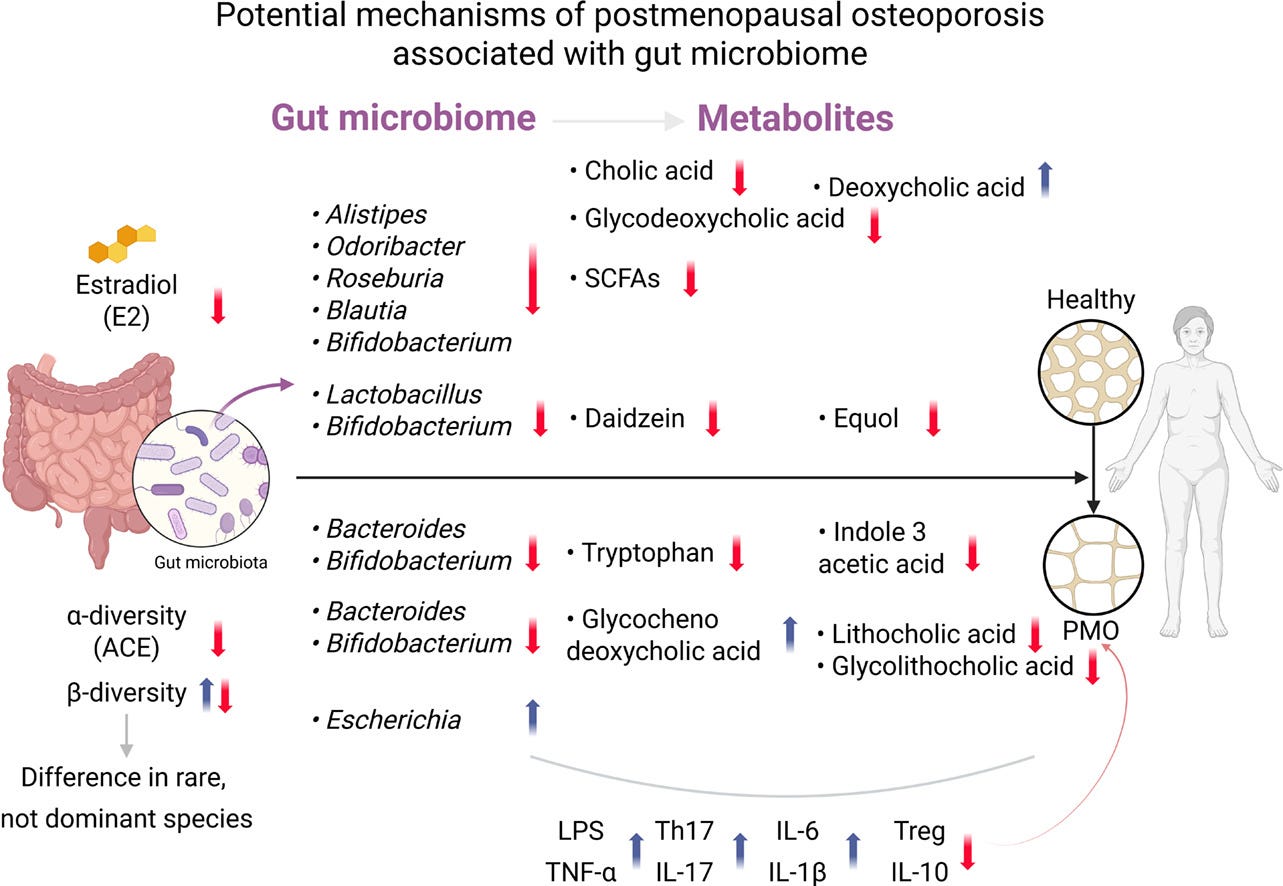
Potential mechanisms of postmenopausal osteoporosis associated with gut microbiome
Where the Signals Converge
The immune findings added another layer of clarity.
Participants with osteoporosis showed lower circulating estradiol alongside higher levels of inflammatory markers such as tumor necrosis factor-alpha. Their immune profiles reflected a greater presence of Th17 cells, which support inflammatory signaling, and a smaller population of regulatory T-cells, which help maintain immune balance. Together, this profile describes a biological environment shaped by sustained inflammatory tone.
This matters because bone responds closely to immune messaging.
Osteoclasts are highly responsive to these signals. When inflammatory pathways remain more active, the rhythm of remodeling adapts. Over time, this influences how bone is renewed, how strong its internal structure remains, and how effectively it meets everyday demands.
Seen in this light, the study does more than identify associations. It illustrates a systems pattern.
Bone health is shaped by the same networks that guide the rest of the body. It reflects how digestion supports absorption, how immune signals circulate, how hormones communicate across tissues, and how metabolism unfolds within the gut. The skeleton participates in that conversation rather than standing apart from it.
What this research invites us to recognize is something both subtle and powerful. The microbiome does not determine bone outcomes on its own. It helps shape the biological landscape in which bone health develops. A landscape influenced by immune rhythm, metabolic signaling, and hormonal context.
Placed alongside what we now understand about osteoimmunology and endocrine signaling, these findings deepen the story of osteoporosis. A condition that appears in the skeleton reflects conversations that begin far beyond it, unfolding over time through systems that remain in constant dialogue.

The rest of this article is for paid subscribers.
In the next section, we move from understanding into application. This is where the physiology you’ve just explored comes to life through the plants themselves.
You’ll step into a deeper look at how specific herbs support the gut–bone conversation, not as quick fixes, but as partners in immune rhythm, endocrine balance, and long-term tissue resilience. We’ll explore why these plants belong in the same story, how they work across systems, and what thoughtful, responsible use really looks like, including clear safety profiles and clinical considerations for each one.
If this article has helped you see osteoporosis differently, the rest is where that perspective becomes practical.
I’d love to continue the conversation with you there.
