


Today I want to talk about testosterone, but maybe from an angle that doesn’t get quite as much attention.
I want to talk about the connection between testosterone and metabolism. And I don’t mean how testosterone itself is metabolized, but rather what happens to metabolic health when testosterone levels start to decline.
Testosterone is involved in quite a few physiological processes, including maintaining skeletal muscle mass, bone health, and reproductive function (Rojas-Zambrano et al., 2025). So when testosterone levels decline, the effects can extend beyond libido and sexual function. Lower testosterone levels have been associated with changes in body composition, central obesity, insulin resistance, type 2 diabetes, dyslipidemia, and hypertension (Tsujimura, 2013). Put several of those together and we’re talking about metabolic syndrome.
There’s a pretty interesting relationship happening between testosterone and metabolic health, so that’s what we’re digging into today.
Here’s what we’re getting into:
How testosterone levels are connected to metabolic health
Why obesity, insulin resistance, and low testosterone tend to travel together
What’s happening physiologically as testosterone declines
Where herbs like ashwagandha, fenugreek, and ginseng might fit into the picture
What the human research on herbs and testosterone looks like

Where Testosterone Meets Metabolism
Metabolic syndrome refers to a group of conditions and risk factors that commonly occur together, including central obesity, insulin resistance, high blood pressure, and abnormal blood lipid levels (Swarup et al., 2024). Visceral fat, the fat stored around the organs in the abdomen, plays a central role in its development. As this tissue expands, it releases inflammatory signaling molecules that can interfere with insulin function and contribute to insulin resistance (Swarup et al., 2024). Waist circumference is one of the measurements used when assessing metabolic syndrome for this reason.
Low testosterone shows up in this same metabolic picture often!
In the European Male Aging Study, men with late-onset hypogonadism had higher BMI and waist circumference, higher triglycerides, systolic blood pressure, glucose, insulin, and insulin resistance, along with lower HDL cholesterol (Tsujimura, 2013). It’s essentially the metabolic syndrome cluster showing up alongside hypogonadism in the same group of men.
Lower testosterone concentrations have also been associated with greater insulin resistance and type 2 diabetes. Around one-third of men with type 2 diabetes have been reported to have late-onset hypogonadism (Tsujimura, 2013).
Testosterone also helps maintain skeletal muscle mass, which brings another tissue into this discussion (Rojas-Zambrano et al., 2025). Skeletal muscle is a major site of glucose uptake in response to insulin, so changes in muscle mass can affect how the body handles glucose. That’s one reason the relationship between testosterone and body composition deserves attention when we’re talking about metabolic health.
As obesity increases, serum testosterone concentrations tend to fall (Tsujimura, 2013). At the same time, expanding visceral fat contributes to inflammatory signaling and insulin resistance (Swarup et al., 2024). You can see how these changes start appearing together: more central adiposity, altered insulin responsiveness, and lower testosterone concentrations.
I hope that makes the overlap between low testosterone and metabolic syndrome a little easier to see.
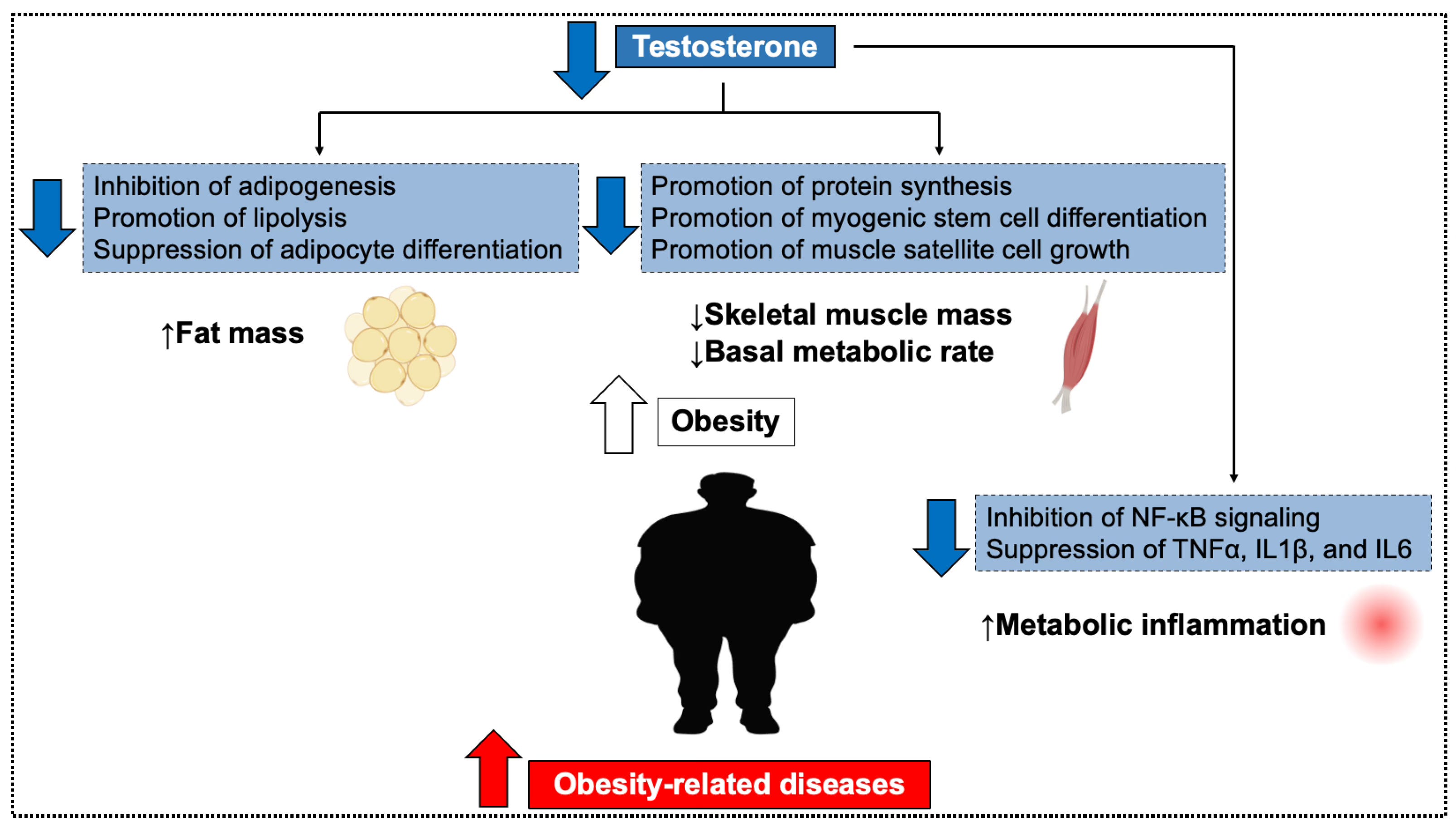
Reduced testosterone activity is associated with increased fat mass, decreased skeletal muscle mass, and a lower basal metabolic rate (Tsutsumi & Tsuchiya, 2025).
It Goes Both Ways
Low testosterone can predict the development of central obesity and the accumulation of fat around the abdomen. At the same time, higher BMI, central adiposity, and metabolic syndrome can predict lower testosterone levels (Wang et al., 2011).
So we have this relationship where increasing body fat is associated with declining testosterone, and declining testosterone is associated with changes in body composition.
But what’s happening physiologically?
Adipose tissue contains aromatase, the enzyme responsible for converting testosterone into estradiol. As adipose tissue increases, aromatase activity can increase along with it. Higher estrogen signaling may then suppress the hypothalamic-pituitary-gonadal (HPG) axis, which regulates testosterone production (Wang et al., 2011).
There may also be changes happening directly in the testes. Men with obesity and insulin resistance have shown reduced responsiveness of Leydig cells, the cells responsible for producing testosterone, to hormonal stimulation (Wang et al., 2011). So we have potential changes in both the signals regulating testosterone production and the cells responding to those signals.
Testosterone also has a relationship with insulin sensitivity, and there’s a study I want to bring into this discussion.
Researchers withdrew testosterone from hypogonadal men for two weeks and found that insulin sensitivity decreased before there were apparent changes in body composition (Wang et al., 2011). In other words, their bodies became less responsive to insulin even though their body composition hadn’t noticeably changed. That’s interesting because it suggests testosterone may influence insulin sensitivity independently of changes in body fat.
Similar findings have been reported in men receiving androgen deprivation therapy for prostate cancer, where testosterone suppression has been associated with increased insulin resistance and unfavorable changes in blood lipid levels (Tsujimura, 2013).
So we have several physiological processes happening here! Increasing adiposity can affect testosterone regulation, while declining testosterone may influence insulin sensitivity and body composition. You can see how these changes could reinforce one another over time (Wang et al., 2011).
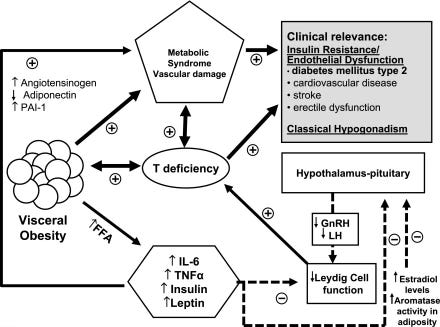
The interconnected relationship between testosterone and metabolic health
What About the Herbs?
Alright, let’s talk plants.
Supplements marketed for men’s hormonal health come with plenty of promises about boosting testosterone. A few include: ashwagandha, fenugreek, and ginseng.
But how many of these plants have been studied in humans, and what happens to testosterone concentrations when people take them?
A 2021 systematic review gives us a decent place to start! Researchers examined 32 randomized controlled trials involving 13 different herbs, looking specifically at their effects on testosterone concentrations in men. Of those 32 trials, nine reported statistically significant increases in testosterone. Only six were rated as having a low risk of bias (Smith et al., 2021).
In research, bias refers to aspects of how a study is designed, conducted, or analyzed that could systematically influence its results. Things like inadequate randomization, poor blinding, or missing participant data can affect how much confidence we place in the findings. So when a study has a higher risk of bias, we have to be more cautious about how we interpret its results.
Fenugreek (Trigonella foenum-graecum) and ashwagandha (Withania somnifera) had the most consistent positive findings in the review. Asian red ginseng (Panax ginseng) also showed some promise, although the results varied across studies (Smith et al., 2021).
Many of these trials involved younger, generally healthy men, which is something to keep in mind when we’re talking about age-related testosterone decline and metabolic syndrome. The studies also varied in the herbal extracts they used, how much participants took, and how long they took them.
Even when researchers reported an increase in testosterone, what did that mean for the men participating? Were they feeling any better? Did their body composition or insulin sensitivity improve? Because an increase in testosterone on a laboratory report doesn’t necessarily tell us whether someone’s metabolic health has improved. We need bit more info. An increase in testosterone on a laboratory report tells us something about the herb’s potential hormonal effects. Whether that translates into meaningful improvements in metabolic health is a separate question, and one the available research hasn’t adequately answered.
Okay, herbs:
Ashwagandha (Withania somnifera)
Ashwagandha has become something of a celebrity in the supplement world, especially when it comes to stress, exercise performance, and testosterone. It’s also one of the herbs with some human research behind its hormonal claims!
Clinical trials have explored ashwagandha in men undergoing resistance training, men experiencing stress, and men with fertility concerns. Several reported increases in testosterone concentrations, although the findings varied between studies and populations (Smith et al., 2021).
Ashwagandha contains compounds called withanolides, which have been investigated for their antioxidant and anti-inflammatory activity. Oxidative stress can interfere with testosterone synthesis in Leydig cells, so researchers have been exploring whether ashwagandha’s antioxidant properties could help explain some of its reported hormonal effects. It’s a possible mechanism, although we don’t yet know whether that’s what’s happening in the men taking it (Shypilova et al., 2026).
In research involving infertile men, ashwagandha supplementation has also been associated with reductions in cortisol and oxidative stress, alongside increases in testosterone and luteinizing hormone (LH) (Sengupta et al., 2018).
Cortisol is part of the body’s stress response, which is coordinated by the HPA axis. Testosterone production is regulated through a different hormonal system, the HPG axis. These two systems communicate, and prolonged stress signaling can affect reproductive hormone regulation. Researchers have proposed that ashwagandha may influence this relationship through its effects on stress signaling and reproductive hormone regulation. The mechanisms are still being investigated, though, and much of this research has focused on male fertility (Sengupta et al., 2018).
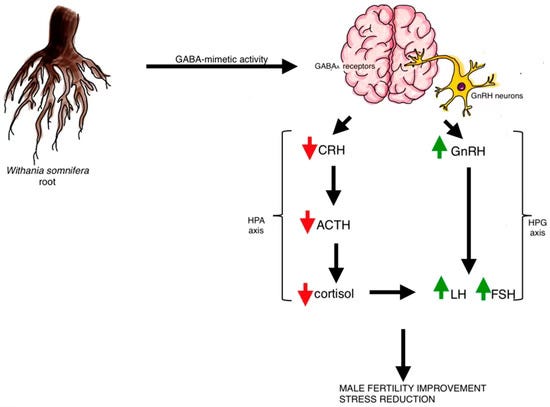
Researchers have proposed that compounds in *Withania somnifera* may act through GABA-A receptors, potentially increasing the release of gonadotropin-releasing hormone (GnRH) and, subsequently, gonadotropins such as LH and FSH. Ashwagandha may also influence cortisol levels, suggesting possible effects on stress regulation and male reproductive function.

Fenugreek (Trigonella foenum-graecum)
Fenugreek is another plant that comes up frequently in conversations about testosterone, and researchers have explored its effects in several human clinical trials. Some reported increases in testosterone concentrations, although the findings weren’t consistent across every study (Smith et al., 2021).
Some of these trials involved middle-aged men who were overweight or obese, which is relevant given the relationship between excess adiposity, insulin resistance, and testosterone levels.
BUT the trials used different fenugreek extracts, doses, and treatment durations, making direct comparisons difficult. The results from a study using one particular extract can’t necessarily be applied to every fenugreek supplement on the market. We have some encouraging findings for testosterone, although evidence for fenugreek’s effects on metabolic syndrome remains limited (Smith et al., 2021).
Asian Red Ginseng (Panax ginseng)
Asian red ginseng has also been investigated for its effects on testosterone, although the human findings are mixed. And just to clarify, we’re talking about Panax ginseng here, which is a different species from American ginseng (Panax quinquefolius).
In one small trial involving 72 men with metabolic syndrome, researchers reported a modest increase in testosterone after four weeks of supplementation. That’s a relevant population given everything we’ve discussed about testosterone and metabolic health, but four weeks is a relatively short period.
Of the seven ginseng trials included in the systematic review, only one reported a statistically significant increase in testosterone (Smith et al., 2021). So we have an interesting finding in men with metabolic syndrome, but the results across the other studies haven’t been nearly as encouraging.
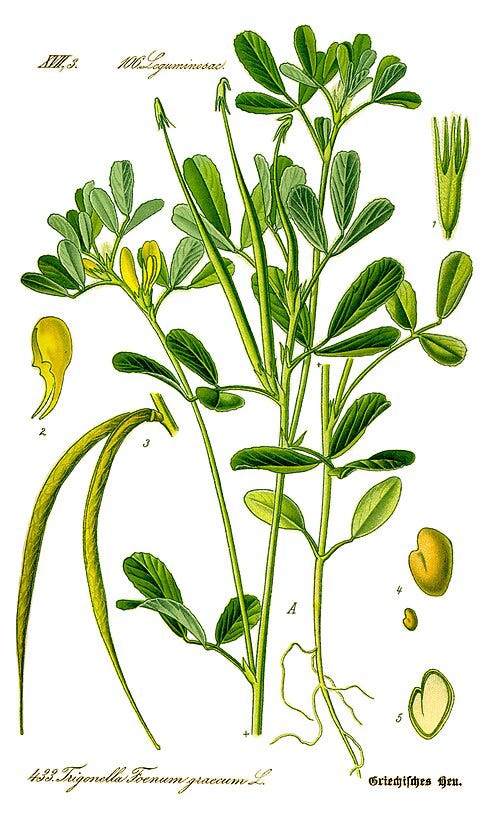
Fenugreek
Where Does That Leave Us?
Say you’re looking at a study where testosterone levels increased after several weeks of taking an herbal extract. Great! But what does that tell us about metabolic health?
Think about everything we’ve discussed with insulin resistance, abdominal fat, and the hormonal changes that can accompany metabolic syndrome. If testosterone increases, I’d want to know what’s happening to those other measurements, too. Is the body responding to insulin any differently? Has body composition changed? What about blood lipid levels?
Because ultimately, we’re interested in what these hormonal changes mean for metabolic health, and testosterone concentrations alone can only tell us so much.
I’d love to see more botanical trials investigating these relationships, especially in people who already have metabolic syndrome. There’s a lot of interesting physiology here, and I think we’ve barely scratched the surface of what researchers could explore!
I’m keeping this article free for everyone to read, so if you know someone who might find it useful, please share it!
If you enjoy these deep dives into physiology, herbal medicine, and the research connecting them, consider becoming a paid subscriber. Your support helps me continue researching and writing these articles, and I appreciate every bit of it.
Thanks for reading! 🌻
Until next time,
Agy | The Buffalo Herbalist

Ps: check out my other publications :)

So do you have supplement recommendations for aging men? Thank you!
Were there any studies with these herbs on women? Would you expect the herbs to work similarly?