


You sit down in the cold exam room, the cuff inflates on your arm, and before you can even exhale, the nurse says it again. “Your blood pressure is a little high.” Maybe it has become a yearly rhythm. Maybe no one has ever really explained what it means. Maybe you were told to cut back on salt, manage your stress, and come back in six months to see if anything changes. For many people, that is where the conversation ends.
Hypertension is incredibly common, but it is not simple. Blood pressure is not just a number on a screen or a sign of aging. It reflects the state of your vessels, your nervous system, your kidneys, your hormones, your inflammation levels, your habits, and sometimes even the weight of your life experiences. When the pressure stays high, it places a steady strain on the heart and arteries, slowly reshaping the landscape within.
The empowering truth is that high blood pressure has many contributors, which means it also has many potential avenues for support. When we understand how pressure forms in the body, we can work with physiology rather than against it. Herbs, nutrition, stress recovery, and daily choices become meaningful tools instead of afterthoughts.

The Story Behind the Numbers
Blood pressure is usually written as two numbers, systolic over diastolic. The first measures the force of blood as the heart contracts, the second when it relaxes. Together, they tell us how much tension exists in the arteries that carry blood throughout the body.
Clinically, hypertension is defined as readings of 130/80 mm Hg or higher, though most practitioners begin active treatment when it rises above 140/90 mm Hg. The specifics matter less than the pattern. What matters is that the pressure stays high, placing steady strain on the heart, blood vessels, and kidneys.
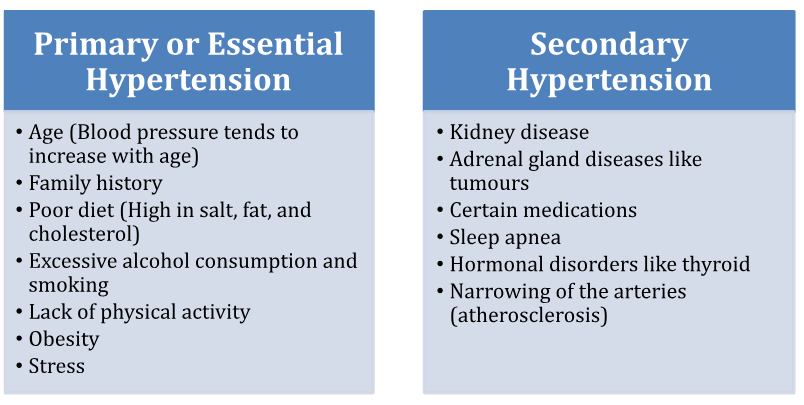
Most cases are what medicine calls essential hypertension, meaning there isn’t a single identifiable cause. It’s often the result of several small things accumulating over time: salt sensitivity, genetics, stress, diet, inactivity, and the way we respond to our environment. About half of a person’s risk can be traced to family history, but the rest belongs to how we live, how we move, and how much we carry within us.
A smaller percentage of people have secondary hypertension, which develops as a result of something more specific, like kidney disease, hormonal imbalance, or certain medications. In these cases, finding and addressing the root cause can sometimes restore blood pressure to normal levels. But for most, hypertension becomes a lifelong conversation between the heart and the rest of the body.
It’s easy to think of high blood pressure as purely mechanical, but in reality it reflects the state of our entire internal landscape. Chronic tension, inflammation, nutrient depletion, and even emotional holding patterns all leave their mark.
Source Unknown
How Blood Pressure Works
Blood pressure is not just a number. It is a reflection of how fluid, tension, energy, and inner pressure move through the body over time. Every heartbeat sends blood forward through arteries that are meant to be flexible and responsive. When these vessels can relax and adapt, the pressure stays balanced. When they stiffen, constrict, or are asked to hold more fluid than they can comfortably carry, pressure rises and begins to hold instead of flow.
Blood pressure depends on how forcefully the heart pumps and how much resistance the arteries push back with. This resistance is influenced by the kidneys and their control over fluid volume, by hormones that tighten or loosen the vessels, by the nervous system’s response to stress, and even by the immune system when inflammation becomes chronic. Hypertension develops when these systems lose their ability to return to equilibrium and tension becomes the default state rather than a temporary adaptation.
The main systems involved in regulating blood pressure include the kidneys and the renin–angiotensin–aldosterone system, sodium and fluid handling, the vascular endothelium and nitric oxide, the sympathetic nervous system, and the inflammatory and immune response.
The Renin–Angiotensin–Aldosterone System (RAAS)
The RAAS helps regulate blood volume and vascular tone. When the kidneys sense reduced blood flow or low sodium levels, they release renin. This begins a cascade that produces angiotensin II, a compound that constricts blood vessels and signals the adrenal glands to release aldosterone. Aldosterone then tells the kidneys to retain sodium and water, which increases blood volume and pressure.
This response is protective in emergencies like dehydration or blood loss. However, when it is repeatedly activated by chronic stress, blood sugar dysregulation, inflammation, or kidney strain, it can fuel long-term hypertension. Angiotensin II can also trigger oxidative stress and fibrosis, which leads to injury in the vessels, heart, and kidneys over time.
The body does have a built-in balancing mechanism. The enzyme ACE2 converts angiotensin II into angiotensin-(1–7), a molecule that supports relaxation of the vessels. Many blood pressure medications work by supporting this shift toward a more dilated and less tense vascular tone.
Sodium and Salt Sensitivity
Sodium influences blood pressure by affecting how much water the body retains. In someone with healthy regulatory flexibility, an increase in salt intake triggers compensatory dilation of blood vessels and increased nitric oxide production to prevent a rise in pressure.
In individuals with salt sensitivity, blood pressure rises significantly after sodium intake. This often reflects a deeper issue such as endothelial dysfunction, oxidative stress, or low nitric oxide activity. Chronic high salt intake can also disrupt the gut microbiome and promote inflammatory T cells that further elevate pressure. Conversely, certain beneficial microbes, such as Lactobacillus species, appear to protect against this salt-induced rise in blood pressure.
The Endothelium and Nitric Oxide
The endothelium lines the inside of blood vessels and is a key regulator of how open or constricted they remain. One of its most important roles is the production of nitric oxide, which sends a signal to the smooth muscle in artery walls to soften and relax.
When nitric oxide production is reduced, often due to aging, oxidative stress, chronic inflammation, smoking, or disrupted sleep, vessels lose their responsiveness. Resistance increases and pressure rises. The endothelium also balances vasodilators like nitric oxide and prostacyclin with vasoconstrictors like endothelin-1. When this balance shifts toward constriction, hypertension follows more easily.
The Sympathetic Nervous System
The sympathetic nervous system drives the body’s fight or flight response and has a direct influence on blood pressure. Baroreceptors in the carotid arteries detect pressure shifts and send signals to the brain, which can adjust heart rate and vessel tone accordingly. If the brain perceives threat or ongoing stress, sympathetic activity rises, causing the heart to beat faster and the arteries to constrict.
In people experiencing chronic stress, trauma, persistent anxiety, sleep disruption, or metabolic strain, sympathetic activation can become a long-term pattern rather than a short-term survival response. This leads to vessel constriction, increased kidney-driven sodium retention, and remodeling of vascular tissue, all of which contribute to sustained high blood pressure.
Inflammation and Immunity
Inflammation contributes to the development and progression of hypertension. Cytokines released during chronic inflammation narrow blood vessel lumens, stiffen the arterial walls, and limit nitric oxide availability. Immune cells can infiltrate the kidneys and vessel walls, promoting fibrosis and maintaining tension within the system.
Both innate and adaptive immunity are involved. Macrophages generate oxidative stress in tissues, while certain T cell responses promote hypertension and vascular injury. Studies show that restoring a balance between pro-inflammatory and regulatory immune activity can improve blood pressure, which reinforces the idea that hypertension is not only mechanical but immunological.
The Mosaic of Hypertension
Hypertension rarely develops from a single cause. Instead, it is often the outcome of multiple overlapping imbalances: vascular tension, fluid overload, sympathetic drive, disrupted nitric oxide signaling, chronic inflammation, immune dysregulation, environmental stressors, and inherited predispositions.
From an herbal perspective, this layered complexity is an invitation rather than a barrier. Because herbs can influence circulation, nervous system balance, kidney function, inflammation, and oxidative stress all at once, they are uniquely suited to support the body in restoring its natural ability to regulate pressure instead of simply suppressing it.
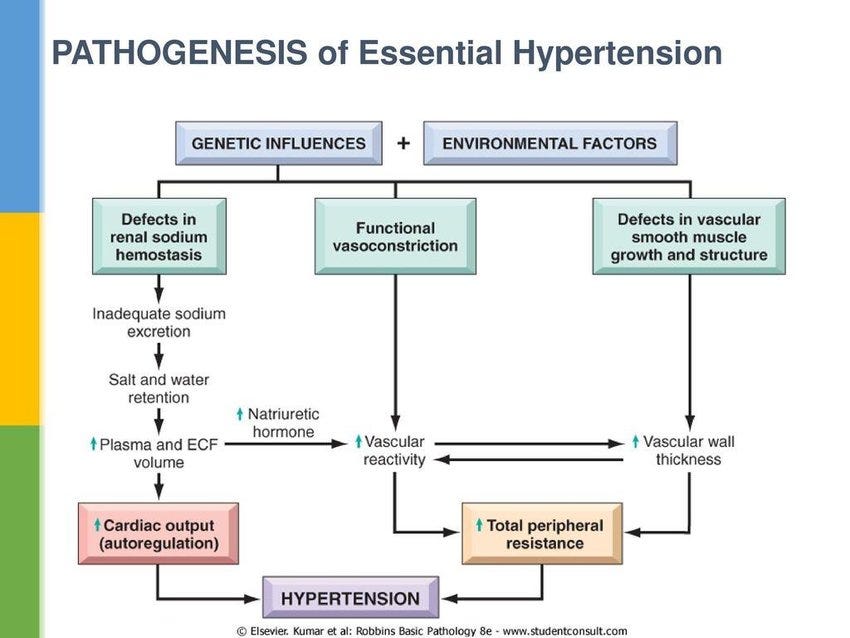
Pathogenesis of Hypertension
Before we continue, the remainder of this article is available for paid subscribers. In the full article, I break down how specific herbs influence blood pressure through measurable physiological pathways. We will look at how they interact with nitric oxide, vascular tone, the nervous system, RAAS signaling, inflammation, and fluid balance. You will also receive five in-depth herbal profiles, complete with research context, mechanisms, preparation guidance, safety considerations, and practical insights for real-world use.
If you would like access to the full article, along with my complete herbal library, monographs, deep-dive guides, and future members-only teachings, consider upgrading to a paid subscription and continuing your studies with me.
