Welcome to the June 2026 AMA answers! Each month (hmm well, I try to, most months) I post a thread in the chat where paid subscribers can ask me anything. I let the thread sit for a little while, and at the end of the month I answer the questions there. This month’s were excellent, and because of how much depth they had, along with the feedback from subscribers, I’ve decided to post them individually, so the information is easier to digest, and you’re not hit with a wall of text.
The AMA is not, and never will be, a replacement for a consultation. I cannot and will not answer personal or individualized health questions. Where a question is specific to one person, I’ll answer the general version of it instead.

Question 1: What herbal remedies should I use, and which should I avoid, with an overactive bladder, to soothe and regulate the pressure and urgency?
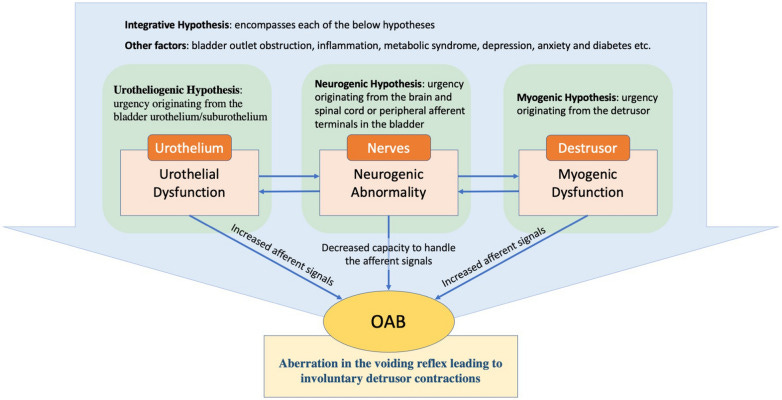
Before I get into the herbs, it helps to understand what's actually going on with an overactive bladder, because that's what the whole approach is built around. At its simplest, an overactive bladder is a signaling problem, where the bladder tells your brain it's full and urgent long before it actually is. Researchers trace that faulty signal to a few different places (Chen et al., 2024). Sometimes it starts in the urothelium, the lining of the bladder, which is studded with sensors that can become overactive and fire off urgency messages they shouldn't. Sometimes it's the detrusor, the muscular wall of the bladder itself, contracting when it isn't supposed to. And sometimes it comes from higher up, in the nerves and the brain that process those signals and decide how loud the urge feels. Often, it's some combination of all three, layered on top of other contributors like inflammation, hormonal shifts, or anxiety, which is why an overactive bladder rarely traces back to a single cause (Chen et al., 2024).